
Teeth grinding, medically known as bruxism, is more common than many realise. While some people are aware they grind their teeth at night, countless others experience it without any conscious knowledge. The problem often goes unnoticed until it begins to affect dental health, jaw comfort, or even sleep quality. Because the early signs are subtle, people may attribute headaches, jaw soreness, or worn teeth to other causes. Understanding the reasons behind tooth grinding, recognising the symptoms, and knowing when to seek professional care can prevent long-term damage and maintain oral health.
What is Teeth Grinding?
Teeth grinding is the habitual clenching or grinding of teeth often occurring unconsciously. It can happen during the day (awake bruxism) or at night while sleeping (sleep bruxism). While occasional teeth grinding is not usually harmful, persistent bruxism can exert excessive pressure on teeth and jaw muscles. Over time, this pressure can wear down enamel, weaken tooth structure, and affect overall oral health. Individuals may not notice the grinding itself but its effects become increasingly evident making early recognition essential.
Signs and Symptoms
People often grind their teeth without realising it. Here are some common signs and symptoms that may indicate bruxism:
- Jaw pain or stiffness particularly in the morning
- Frequent headaches or earaches caused by muscle tension
- Flattened, chipped, or worn teeth a clear sign of ongoing grinding
- Increased tooth sensitivity from enamel wear
- Disrupted sleep partners may notice a grinding sound at night
These symptoms are often subtle at first, which is why routine dental check-ups are crucial. Even minor signs should not be ignored, as untreated bruxism can lead to serious dental complications.
Causes of Teeth Grinding
Several factors contribute to tooth grinding and often multiple causes interact:
- Stress and anxiety emotional tension is a primary trigger
- Sleep disorders sleep apnea or interrupted sleep patterns can exacerbate grinding
- Dental misalignment uneven teeth or bite issues may increase grinding tendencies
- Lifestyle factors excessive caffeine, alcohol or smoking
- Medications and medical conditions certain antidepressants or neurological disorders
These causes highlight why people can grind their teeth unknowingly. For instance, someone may be unaware of sleep bruxism triggered by stress or sleep disorders, leading to unnoticed but continuous dental damage.

The Hidden Risks of Unnoticed Bruxism
Ignoring teeth grinding can result in several long-term problems:
- Dental damage enamel erosion, fractures or chipped teeth
- Jaw disorders temporomandibular joint (TMJ) pain, clicking or locking
- Gum recession and tooth sensitivity from uneven pressure
- Headaches and neck pain due to muscle tension
- Compromised oral hygiene worn teeth may trap food and bacteria
These consequences illustrate why early intervention is essential. People who experience subtle jaw discomfort, morning headaches, or increasing tooth sensitivity should consider consulting a professional.
How Dentists Diagnose Teeth Grinding
Dental professionals employ a range of methods to identify bruxism, even when patients are unaware:
- Clinical examination looking for worn, cracked, or flattened teeth
- X-rays and imaging to assess bone and tooth structure
- Bite analysis and dental impressions evaluating alignment and occlusion
- Sleep studies for suspected nocturnal bruxism
Accurate diagnosis is critical to tailor a treatment plan and prevent future complications. Clinics specialising in Dental Implant London often assess bruxism during routine check-ups to ensure patients maintain overall oral health.
Treatment Options
Treating tooth grinding requires a combination of dental care, lifestyle adjustments, and sometimes medical intervention. Common approaches include:
- Night guards or splints protective devices that prevent tooth damage
- Stress management therapy, relaxation exercises, or mindfulness techniques
- Corrective dental procedures address misaligned teeth or bite issues
- Lifestyle modifications reduce caffeine, alcohol, and smoking; improve sleep hygiene
- Medications muscle relaxants or other prescribed solutions for severe cases
Summary of treatment benefits:
- Protects teeth from further damage
- Relieves jaw and muscle tension
- Improves sleep quality
- Supports long-term oral health
For patients dealing with chronic tooth grinding, professional guidance ensures the most effective and personalised approach. Those seeking tooth grinding London services often combine preventive dental care with lifestyle strategies for optimal outcomes.
Preventive Measures and Daily Tips
In addition to professional treatment, daily habits can reduce the risk and impact of teeth grinding:
- Practice relaxation techniques before bed
- Avoid chewing pens, gum, or hard objects
- Perform jaw exercises and gentle massage
- Maintain regular dental check-ups
- Limit consumption of foods and drinks that can increase anxiety or stress
Adhering to these practices helps preserve teeth, reduce discomfort, and prevent the progression of bruxism.
When Dental Implants Become Relevant
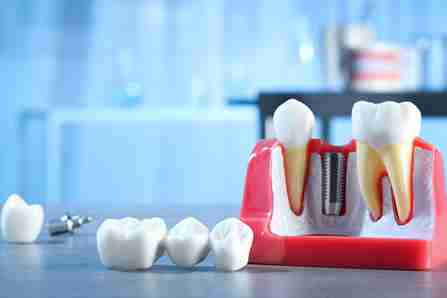
Severe bruxism can sometimes damage teeth beyond repair. In such cases, dental implants may be recommended to restore function and aesthetics. Implants are durable solutions that replace missing teeth while supporting the jaw structure. Key advantages include:
- Restores natural chewing and speaking ability
- Preserves jawbone integrity
- Long-term durability and stability
- Seamless integration with existing teeth
Clinics offering dental implant London services often evaluate bruxism as part of a comprehensive dental assessment, ensuring that implant placement accounts for any ongoing grinding behaviour.
Psychological and Lifestyle Considerations
Bruxism is often linked to stress, anxiety and other psychological factors. Addressing these underlying causes is as important as dental treatment. Some effective approaches include:
- Cognitive behavioural therapy (CBT) for stress management
- Mindfulness and relaxation techniques
- Lifestyle changes to improve sleep quality and reduce stimulants
By addressing both the physical and psychological factors, patients can experience more complete relief and prevent recurrence.
Conclusion
Teeth grinding is a common but frequently unnoticed condition that can lead to significant dental and jaw complications if left untreated. Understanding the causes, recognising subtle symptoms, and seeking professional care early are essential for maintaining long-term oral health. Treatments range from protective devices and stress management to lifestyle adjustments and corrective procedures. In severe cases, dental implants may provide a functional and aesthetic solution to restore oral health. For patients seeking expert care and personalised dental solutions, Smilo Dental Implant London offers comprehensive services to address tooth grinding, preserve dental health, and restore confidence in your smile. Early intervention is the key to preventing long-term damage and maintaining a healthy, comfortable, and attractive smile.






Leave a Reply