
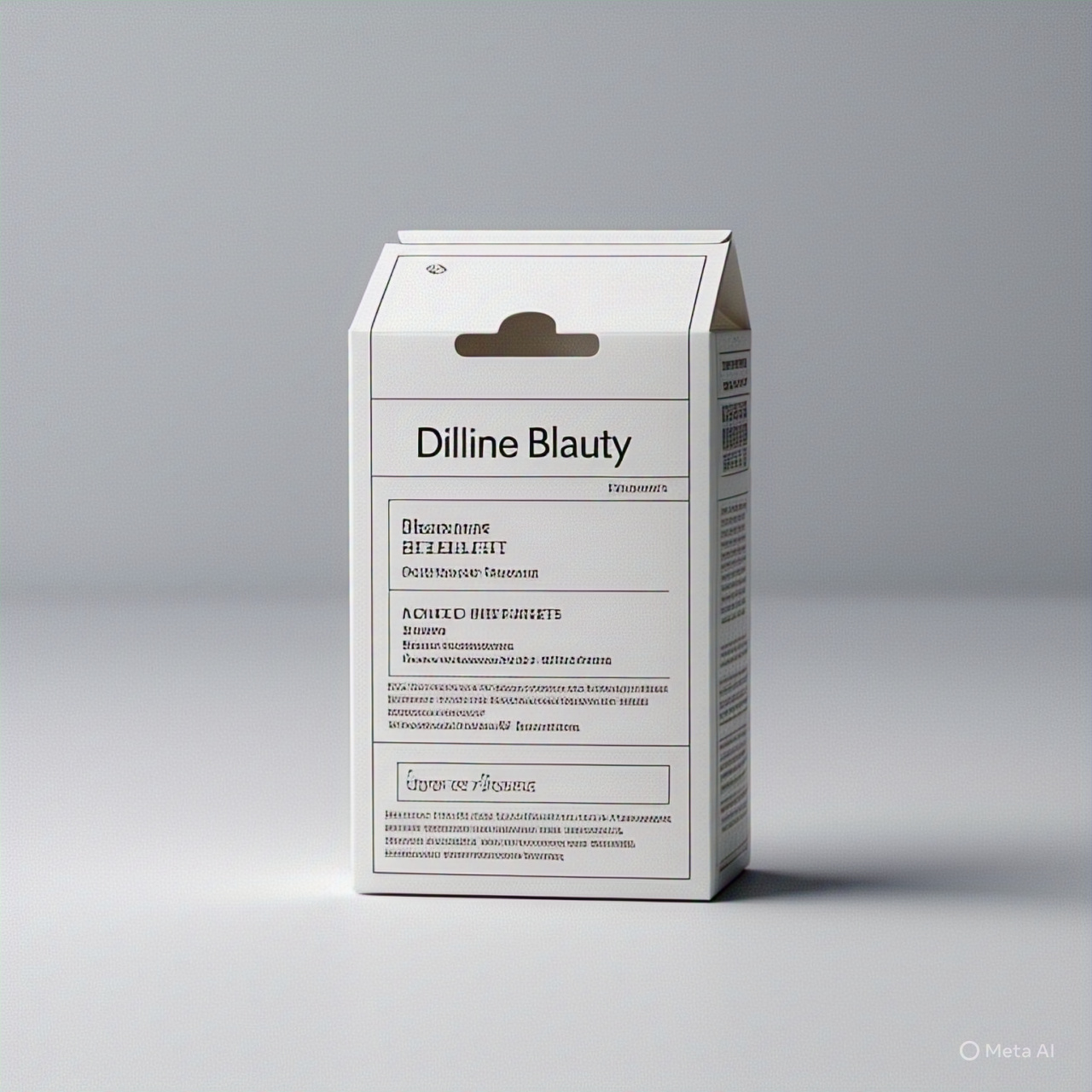
Every well-designed package starts with a plan. Before printing, cutting, or folding begins, packaging designers rely on a technical layout known as a dieline. This foundational element ensures that packaging not only looks good but also functions correctly. Understanding what a dieline is helps brands avoid costly errors and achieve consistent, professional packaging results.
1. Defining a Packaging Dieline
A dieline is a two-dimensional template that outlines how a package will be cut, folded, and assembled. It acts as a blueprint for the final three-dimensional structure. The dieline includes precise measurements, fold lines, cut lines, glue areas, and bleed zones required for production.
Designers use dielines to map out where artwork, logos, and text should be placed so that everything aligns correctly once the package is formed. Without this layout, even small inaccuracies can result in misaligned graphics or poorly constructed boxes.
2. Key Elements Found in a Dieline
A standard packaging layout contains several technical components that guide manufacturers:
-
Cut lines indicate where material will be trimmed
-
Fold lines show where the package bends
-
Bleed areas allow printing beyond edges for clean finishes
-
Safety margins protect important text from being cut off
-
Glue zones define where adhesive is applied
These elements work together to ensure the package is both functional and visually accurate when assembled.
3. Why Dielines Are Essential in Packaging Design
Dielines play a critical role in preventing production issues. A properly prepared dieline helps reduce material waste, printing errors, and assembly problems. It also ensures that the package fits the product correctly, providing appropriate protection and structural integrity.
For custom packaging, dielines are especially important. Unique shapes, inserts, or closures require precise planning to ensure everything works together seamlessly during mass production.
4. How Dielines Support Consistency and Efficiency
Once approved, a dieline becomes a repeatable standard for future production runs. Manufacturers can reproduce packaging consistently without reworking measurements each time. This saves time, controls costs, and maintains uniform quality across large volumes.
Dielines also help streamline communication between designers, printers, and manufacturers by providing a clear, shared reference point.
Final Thoughts
A dieline is the backbone of effective packaging design. While it remains invisible to customers, it ensures that packages are structurally sound, visually aligned, and production-ready. By laying the groundwork for accuracy and efficiency, dielines play an essential role in turning custom designed boxes ideas into reliable, finished products.






Leave a Reply