
In the ever-evolving landscape of Canadian home renovation and construction, efficiency, precision, and value are paramount. Whether you’re a homeowner in Halifax tackling a century-old property, a builder in Calgary racing against the prairie winter, or a condo-dweller in Toronto seeking a modern update, one product consistently stands out as a foundational upgrade: the prehung door. More than just a slab of wood, a prehung door system represents a leap forward in installation technology, offering durability, energy efficiency, and a professional finish that is perfectly suited to the demands of the Canadian climate and market.
What Exactly is a Prehung Door?
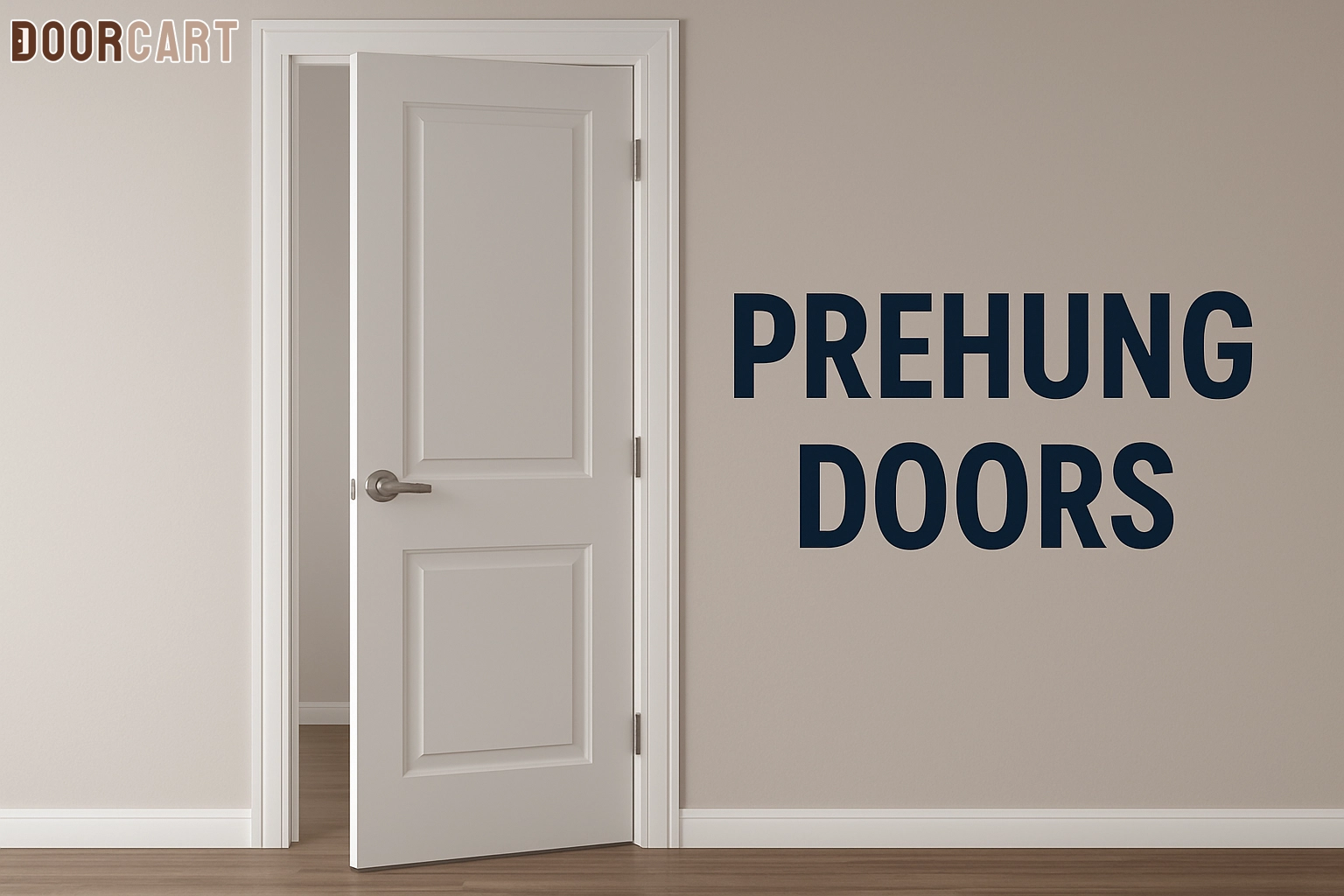
Let’s demystify the term. A prehung doors is a complete door system purchased as a single, factory-assembled unit. It includes:
-
The Door Slab: The actual door itself.
-
The Frame (or Jamb): The surrounding structure, including both side jambs and the head jamb across the top.
-
The Hinges: Already mortised (the recesses cut) and attached to both the door and the frame.
-
The Door Stop: The moulding inside the frame against which the door closes to create a seal.
-
Often, Pre-Drilled Hardware: Many come with holes pre-drilled for locksets and deadbolts.
In essence, it’s a door that arrives at your home or job site “ready to hang.” This is in stark contrast to the traditional method of buying a “slab door” and a separate “door jamb kit,” then painstakingly measuring, cutting, mortising for hinges, and assembling everything on-site—a process ripe for error, especially for DIYers.
Why Prehung Doors are a Canadian Homeowner’s Best Friend
1. Precision & Ease of Installation:
This is the primary advantage. For the growing cohort of Canadian DIY enthusiasts, a prehung door dramatically simplifies the project. The factory ensures the hinge placements are perfectly aligned and the relationship between the door and the frame is exact. This eliminates the most common and frustrating pitfalls of door installation: uneven gaps, doors that bind or stick, and hinges that are misaligned. For professional contractors, it translates to faster installation times, predictable labour costs, and a reduction in callbacks for adjustments—a critical factor in our often short building seasons.
2. Superior Energy Efficiency & Weather Resistance:
Canada’s climate is unforgiving, with temperatures swinging from -40°C in Winnipeg winters to humid summers in Ottawa. A proper seal is not just about comfort; it’s about energy bills and home integrity. High-quality prehung doors, particularly exterior ones, are designed with weather-tightness in mind. They often feature:
-
Integrated Weather stripping: Factory-applied foam or rubber seals around the frame.
-
Thermal Breaks (in steel and fiber glass doors): Crucial for preventing cold transfer in exterior applications.
-
Proper Thresholds and Sills: Designed for effective water runoff and sealing against drafts and snow.
Trying to achieve this level of seal with a site-built jamb is significantly more challenging and less consistent.
3. Structural Integrity and Warranty:
Prehung doors are assembled in controlled factory environments with specialized machinery. The joints of the frame are typically more robust (often using stronger corner connections than simple butt joints) and the entire unit is square and true. Many manufacturers offer comprehensive warranties on their prehung systems, covering everything from the door slab to the frame’s integrity—a level of assurance rarely matched by site-built assemblies.
4. Aesthetic Consistency and Modern Options:
The Canadian market has seen a surge in demand for modern, clean-line interiors. Prehung doors cater perfectly to this trend. They are available in a vast array of styles, materials, and finishes that are consistent from slab to frame. Whether you seek the timeless warmth of a solid wood door for your Vancouver Island cottage, the low-maintenance durability of a fibreglass door for your Edmonton home, or the budget-friendly efficiency of a steel door for a rental property, you can get it prehung. This ensures the jambs and stops match the door’s style perfectly, from traditional raised panels to sleek, flat-panel modern designs.
Navigating the Canadian Market: Key Considerations
When shopping for prehung doors in Canada, keep these local factors in mind:
Material Matters for Our Climate:
-
Steel: The king of value and security for exterior doors in Canada. Modern steel doors have polyurethane foam cores offering excellent insulation (R-values up to R-16). They are clad in steel skins, are incredibly durable, and resist warping. Look for galvanized steel to combat rust, especially in coastal or high-moisture areas.
-
Fibreglass: A premium contender gaining massive popularity. Fibreglass doors convincingly mimic the grain of wood but offer superior thermal performance, dent resistance, and minimal maintenance. They won’t crack, split, or warp with our humidity swings, making them an ideal long-term investment.
-
Solid Wood: The classic choice for interior doors and high-end exterior applications. Offers unmatched beauty and a solid feel. However, for exterior use in Canada, it requires exceptional sealing and maintenance to handle expansion and contraction from temperature and humidity changes.
-
Engineered Wood (MDF/HDF): The standard for most modern interior doors. Stable, smooth, perfect for painting, and affordable. It resists warping far better than solid wood in humid bathrooms or basements.
Exterior vs. Interior:
The distinction is critical. Exterior prehung doors are built as complete, sealed systems with sill pans, thermal breaks, and heavy-duty weatherstripping. They are designed to be part of your home’s building envelope. Interior prehung doors are lighter, often come without weatherstripping, and are designed for sound privacy and aesthetics between rooms.
Sizing & Rough Openings:
Canadian homes, especially older ones, can have non-standard door sizes. While the most common interior size is 30″ or 32″ x 80″, and exterior is 36″ x 80″, always measure your rough opening (the structural opening in the wall) carefully. Most big-box retailers like Home Depot, Lowe’s Canada, and Rona carry a range of standard prehung sizes, while specialized door shops and lumberyards can easily order custom sizes to fit heritage homes or unique layouts.
Building Codes and Energy Standards:
Ensure your exterior door purchase complies with local building codes, which in Canada often reference energy efficiency standards. Look for doors certified by organizations like the Window and Door Manufacturers Association (WDMA) or those bearing an Energy Star® rating for Canada. This not only ensures compliance but also qualifies you for potential provincial or federal energy efficiency retrofit incentives.
The Installation Reality in Canada
While prehung doors simplify installation, it is still a significant task requiring skill, especially for exterior doors where proper flashing and integration with housewrap (like Tyvek) is essential to prevent moisture intrusion—a leading cause of building failure in Canada. Key steps include:
-
Careful Removal of the old door and frame.
-
Preparing the Rough Opening to be square, level, and plumb.
-
Setting the New Unit with shims to ensure perfect alignment.
-
Securing and Sealing: Insulating around the frame and applying sealant on the exterior to create a continuous water and air barrier.
For these reasons, many Canadians wisely choose to hire professional installers for exterior doors, while confidently tackling interior prehung doors as a DIY project.
Conclusion: A Solid Investment for Your Canadian Home
The prehung door is more than a convenience; it’s a smarter way to build and renovate. It addresses core Canadian priorities: saving time and labour costs, enhancing home energy efficiency against our harsh weather, and achieving a durable, professional-quality finish. Whether you’re building a new subdivision in Saskatchewan, updating a loft in Montreal, or simply replacing a drafty back door in St. John’s, choosing a quality prehung door system is a decision that pays dividends in comfort, savings, and curb appeal for years to come. It’s a foundational upgrade that truly hinges on precision—and in that, the prehung door delivers unequivocally.






Leave a Reply