
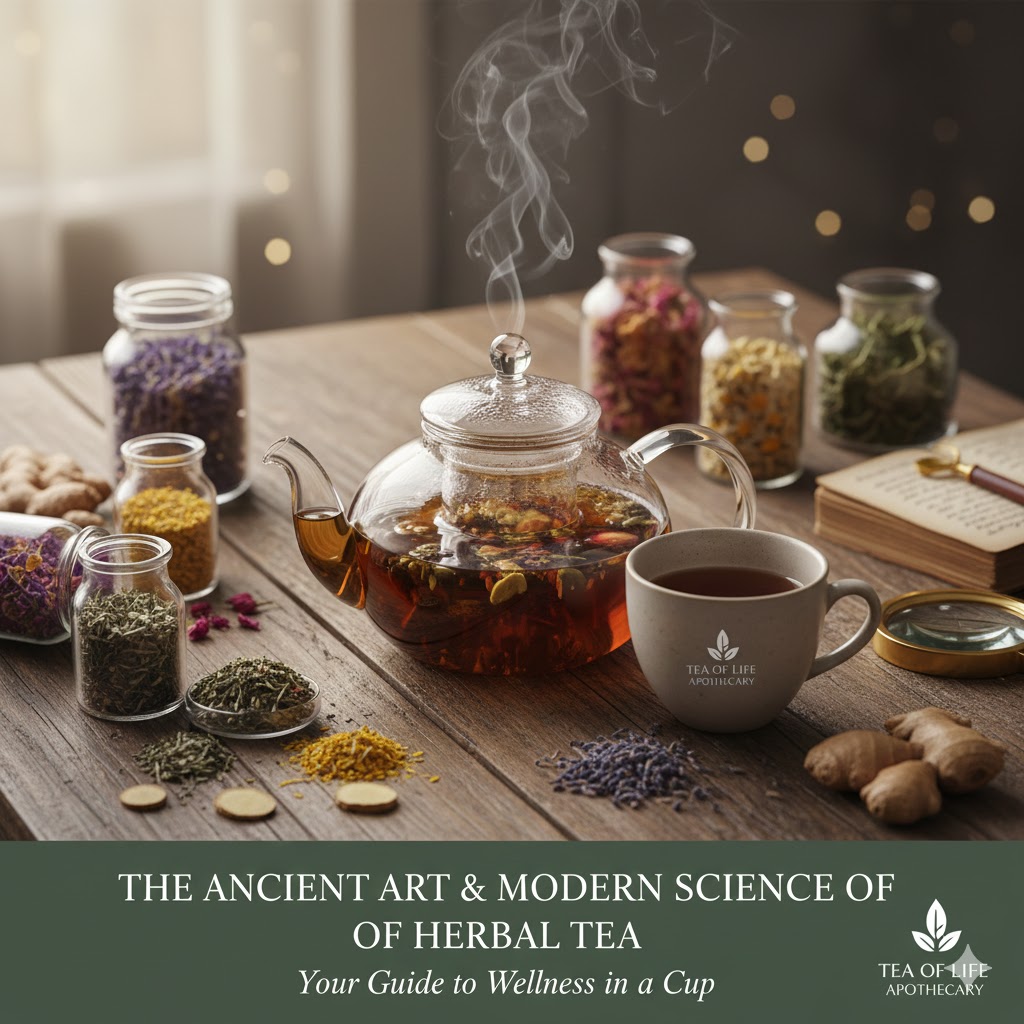
For centuries, across diverse cultures, the simple act of brewing and sipping a cup of Herbal Tea has been more than just a routine; it has been a ritual of healing, comfort, and connection. Derived from the leaves, flowers, roots, and seeds of various non-tea plants, herbal infusions offer a gateway to nature’s pharmacy, providing a gentle yet potent way to support well-being. Unlike traditional teas (black, green, oolong) which come from the Camellia sinensis plant and contain caffeine, most herbal teas are naturally caffeine-free, making them perfect for any time of day.
The Rich History and Global Appeal of Herbal Tea
The use of herbs for medicinal purposes dates back millennia. Ancient Egyptians, Chinese dynasties, Greek physicians, and indigenous cultures worldwide all documented the therapeutic properties of various plants, often consumed as brewed infusions.
From Ancient Apothecaries to Modern Kitchens
Early herbalists meticulously studied plants, understanding their effects on the human body. This knowledge was passed down through generations, forming the foundation of traditional medicine systems like Ayurveda and Traditional Chinese Medicine. Today, this ancient wisdom is being rediscovered and validated by modern scientific research, bringing herbal teas back into the mainstream as a natural approach to health.
A Universal Language of Wellness
Whether it’s a calming chamomile for sleep in Europe, invigorating ginger for digestion in Asia, or a purifying rooibos for vitality in Africa, herbal tea transcends geographical boundaries, offering accessible wellness solutions to people across the globe.
Unpacking the Health Benefits of Herbal Tea
The vast array of plants used in herbal teas means an equally diverse range of potential health benefits. Each herb brings its unique blend of antioxidants, vitamins, minerals, and bioactive compounds.
Stress Reduction and Relaxation
Many herbal teas are celebrated for their adaptogenic and calming properties. Chamomile, lavender, and lemon balm are renowned for easing anxiety, promoting relaxation, and improving sleep quality, making them ideal for unwinding after a long day.
Digestive Support
Herbs like peppermint, ginger, and fennel have long been used to soothe digestive woes. They can help alleviate nausea, bloating, indigestion, and even mild cramps by relaxing the digestive tract muscles and aiding nutrient absorption.
Immune System Boost
Echinacea, elderberry, and rosehip are packed with immune-boosting compounds that can help the body fight off colds, flu, and other infections. Their high vitamin C and antioxidant content are particularly beneficial during seasonal changes.
Anti-Inflammatory Properties
Certain herbs, such as turmeric, ginger, and green rooibos, possess powerful anti-inflammatory effects. Regular consumption can help manage chronic inflammation, which is linked to various health conditions, from joint pain to cardiovascular issues.
Detoxification and Hydration
Many herbal teas, like dandelion root and nettle, act as gentle diuretics, helping the body flush out toxins and excess fluids. Beyond specific benefits, all herbal teas contribute to daily hydration, which is fundamental for overall health.
Exploring Popular Types of Herbal Tea and Their Uses
The world of herbal tea is wonderfully diverse, offering a flavor and function for every need.
-
Chamomile Tea: The quintessential bedtime brew, known for its calming effect, aiding sleep, and soothing digestive upset.
-
Peppermint Tea: Refreshing and invigorating, excellent for indigestion, nausea, and headache relief.
-
Ginger Tea: A spicy kick, perfect for combating morning sickness, motion sickness, and inflammation.
-
Rooibos Tea (Red Bush Tea): A naturally sweet, caffeine-free tea from South Africa, rich in antioxidants and good for heart health.
-
Hibiscus Tea: Tart and vibrant, known for its potential to lower blood pressure and its high antioxidant content.
-
Echinacea Tea: Often used to support the immune system, especially during cold and flu season.
-
Lavender Tea: Aromatic and calming, ideal for stress relief and promoting relaxation.
-
Lemon Balm Tea: A mild, lemony flavor, used to reduce anxiety, improve mood, and aid sleep.
-
Green Tea (Decaffeinated Herbal Blend): While not purely herbal, decaffeinated green tea or blends with green tea offer antioxidants without the caffeine jitters, providing a gentle energy boost.
Brewing the Perfect Cup: Tips for Maximizing Benefits and Flavor
To truly unlock the magic of herbal tea, proper brewing techniques are essential.
Quality Matters: Always start with high-quality, organic loose-leaf herbs or reputable tea bags. This ensures potency and minimizes exposure to pesticides.
Water Temperature: Most herbal teas benefit from boiling water (212°F / 100°C) to fully extract their beneficial compounds and flavors.
Steeping Time: This varies by herb. Delicate flowers (like chamomile) may only need 5-7 minutes, while roots (like ginger or dandelion) might require 10-15 minutes, or even a gentle simmer, for maximum extraction.
Cover While Steeping: Covering your cup or teapot during steeping prevents volatile essential oils (which contain many beneficial compounds) from escaping with the steam.
Sweeteners (Optional): If you prefer a sweeter taste, consider natural options like honey (which adds its own health benefits), maple syrup, or stevia.
Integrating Herbal Tea into Your Daily Wellness Routine
Making herbal tea a regular part of your day is easy and enjoyable.
Morning Ritual: Start your day with an invigorating peppermint or ginger tea to kickstart digestion and focus.
Afternoon Pick-Me-Up: Opt for a refreshing hibiscus or rooibos tea as a caffeine-free alternative to coffee.
Evening Wind-Down: A warm cup of chamomile or lavender tea can signal your body it’s time to relax and prepare for sleep.
Targeted Support: During cold season, keep echinacea and elderberry teas on hand. For digestive upset, reach for ginger or fennel.
Important Considerations and Precautions
While generally safe, it’s crucial to approach herbal tea with awareness, especially if you have existing health conditions or are pregnant/breastfeeding.
-
Consult Your Doctor: If you are pregnant, nursing, taking medications, or have chronic health issues, always consult your healthcare provider before regularly consuming new herbal teas. Some herbs can interact with medications or have contraindications.
-
Allergies: Be aware of potential allergies to specific plants.
-
Dosage: Stick to recommended dosages. More is not always better when it comes to potent herbs.
-
Source: Purchase herbs from reputable sources to ensure purity and quality.
If you struggle with restless nights, explore our deep dive into the best herbal infusions for deep sleep to find the perfect bedside companion for your evening ritual.
Conclusion
The journey into the world of herbal tea is a journey into holistic well-being a simple, accessible, and enjoyable way to nurture your body and mind. From ancient wisdom to modern science, the power of plants to heal, comfort, and invigorate remains undeniable. Whether you seek solace, energy, or specific health support, there is a perfect herbal infusion waiting for you. At Tea of Life Apothecary, we are dedicated to bringing you the finest, ethically sourced herbs and meticulously crafted blends, ensuring every cup you brew is a step towards a more balanced and vibrant life. Discover your perfect brew and let us be your trusted companion on your path to natural wellness.






Leave a Reply