
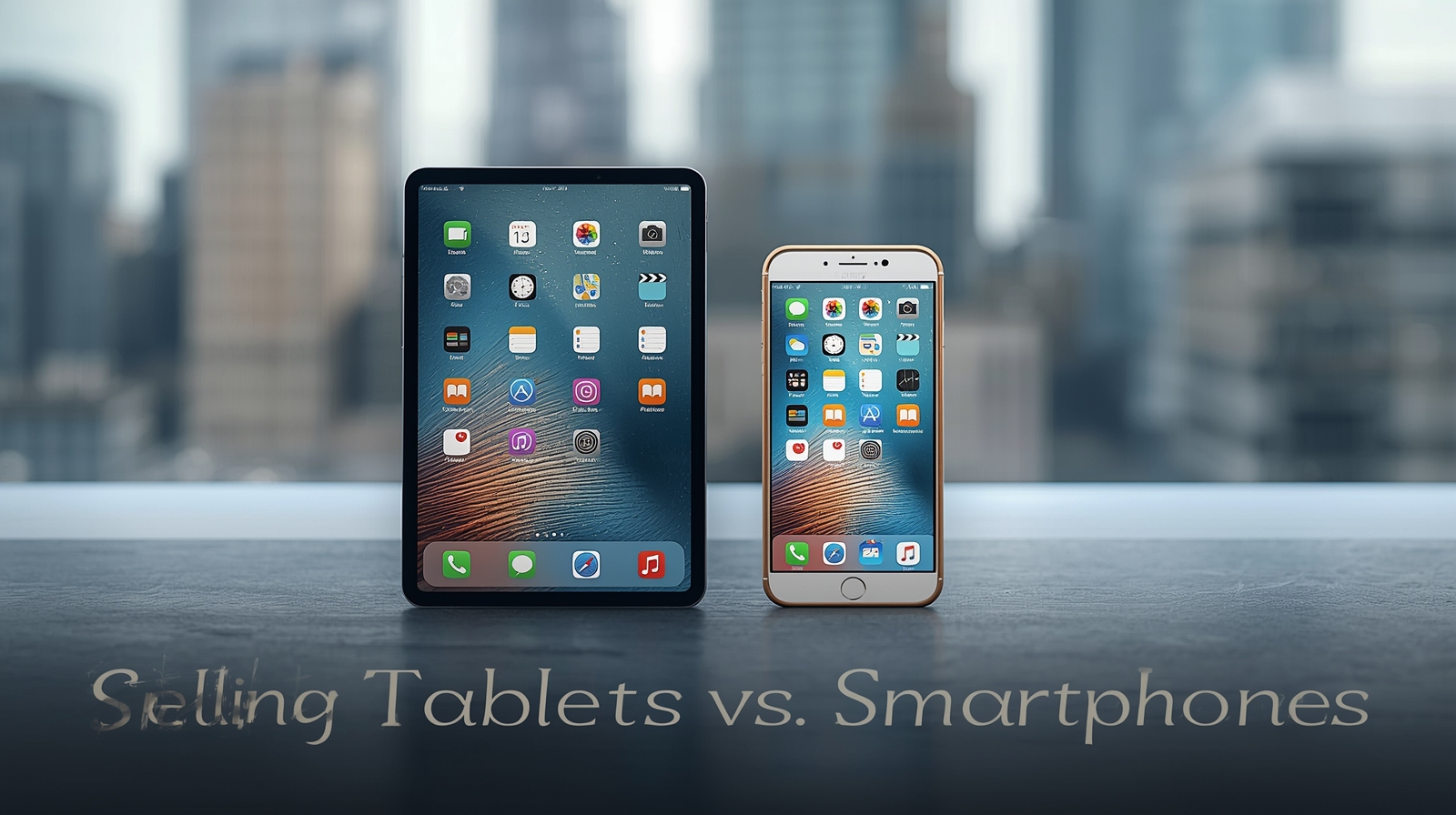
The resale market for consumer electronics has experienced rapid growth over the past decade. As people upgrade devices more frequently, used tablets and smartphones are increasingly resold rather than stored away or discarded. This shift has raised a common question among consumers: when it comes time to resell, which device tends to hold more value—tablets or smartphones?
Understanding resale value is not just about pricing. It involves market demand, device lifespan, software support, physical durability, and how people actually use these devices over time. This article provides an objective examination of tablets and smartphones in the resale market, analysing the factors that influence value retention and how each category performs in real-world resale scenarios.
What Determines Resale Value in Consumer Electronics?
Before comparing tablets and smartphones directly, it is important to understand what resale value means in this context. Resale value refers to how much a device can reasonably be sold for after a period of use, relative to its original price.
Several factors influence this value:
- Brand reputation and market demand
- Age of the device
- Software and security update support
- Physical condition
- Storage capacity and hardware specifications
- Overall usefulness at the time of resale
Both tablets and smartphones are affected by these factors, but not always in the same way.
Usage Patterns and Their Impact on Resale
One of the key differences between tablets and smartphones is how they are used on a daily basis.
Smartphones are typically used constantly. They are carried everywhere, handled frequently, and exposed to drops, moisture, heat, and wear. This level of use often leads to cosmetic damage, battery degradation, and higher chances of repair needs by the time the device is resold.
Tablets, on the other hand, are usually used in more controlled environments. Many are kept at home, used for reading, streaming, studying, or light productivity. As a result, tablets often show less physical wear over time, which can positively affect their resale condition even after several years.
Device Lifespan and Software Support
Software support plays a major role in resale value. Devices that continue to receive operating system updates and security patches remain usable and appealing for longer periods.
Smartphones tend to receive frequent updates, but they also face faster hardware obsolescence. New mobile technologies—such as camera improvements, network standards, and processor upgrades—arrive quickly, making older phones feel outdated sooner.
Tablets often follow a slower upgrade cycle. Many tablet users do not require the latest features, which means older models can remain functional and desirable for longer. Extended usability can help tablets retain a more stable resale value over time, especially when they still support current software versions.
Market Demand: Smartphones vs. Tablets
Demand strongly influences resale pricing. Smartphones generally have a larger resale market because nearly everyone needs one, and many buyers are looking for affordable used options.
However, this high demand is balanced by high supply. Smartphones are replaced often, leading to a crowded resale market. When many similar models are available, prices can drop quickly.
Tablets tend to have a smaller but more stable resale audience. Buyers often look for specific use cases, such as education, remote work, or media consumption. Because tablets are upgraded less frequently, the resale market can experience less saturation, which can help maintain pricing consistency.
Price Depreciation Over Time
Smartphones usually experience steep depreciation in the first year after release. New model launches can significantly reduce the resale value of previous generations, even if the older device is still functional.
Tablets generally depreciate more slowly. Because new tablet releases are less frequent and improvements are often incremental, older models may not lose value as quickly. This slower depreciation curve can be an advantage for sellers who plan to resell after multiple years of use.
Condition Sensitivity in Resale
Physical condition is one of the most critical factors in resale value for both device types.
Smartphones are highly condition-sensitive. Small scratches, battery wear, or minor screen damage can significantly reduce resale value. Buyers often expect phones to be in near-perfect condition due to their personal and essential nature.
Tablets, while still condition-dependent, are often judged more on functionality than cosmetic perfection. Minor wear may have less impact on pricing, especially if the screen is intact and the device functions reliably.
This difference can make tablets more forgiving resale items for long-term users.
Storage and Hardware Considerations
Storage capacity and hardware specifications influence resale differently for tablets and smartphones.
For smartphones, higher storage capacities often command higher resale prices, as buyers expect phones to handle apps, photos, and videos efficiently. Battery health is also a major concern, sometimes more important than storage.
In tablets, storage matters, but screen size, overall performance, and accessory compatibility (such as keyboards or styluses) can play a larger role. A tablet with moderate storage but good performance may still retain strong resale appeal.
Selling Tablets Online vs. Selling Smartphones Online
When selling tablets online, sellers often encounter buyers who are more patient and purpose-driven. Tablet buyers may be educators, students, families, or professionals seeking a specific function. This can lead to more stable pricing and fewer extreme negotiations.
Smartphone resale markets tend to be faster-paced and more price-sensitive. Buyers often compare multiple listings and expect competitive pricing due to the abundance of options.
As a result, selling tablets online may involve longer listing times but more predictable pricing, while smartphones may sell faster but at lower margins.
Repair and Refurbishment Factors
Repair costs influence resale decisions. Smartphones frequently require battery replacements or screen repairs to achieve acceptable resale value. These repairs can reduce net profit for sellers.
Tablets are less likely to require frequent repairs, and when they do, the cost-benefit balance may be more favorable due to slower depreciation. Devices that function well without refurbishment are often easier to resell profitably.
Buyer Perception and Intended Use
Buyers often approach tablet and smartphone purchases differently. Smartphones are viewed as personal devices, making buyers more selective about condition and longevity.
Tablets are often considered shared or secondary devices. This perception can make buyers more flexible, especially if the tablet meets their functional needs. This flexibility can help sustain resale value even for older models.
Environmental and Economic Considerations
The growing awareness of electronic waste has influenced resale markets. Many buyers are intentionally choosing used devices to reduce environmental impact.
Tablets, due to their longer usable life and lower replacement frequency, align well with this mindset. This trend may continue to support tablet resale value in the long term.
Which Device Holds More Resale Value?
There is no universal answer, as resale value depends on timing, condition, and market context. However, general trends suggest:
- Smartphones often have higher short-term resale value but depreciate quickly
- Tablets may retain usable value over a longer period
- Tablets tend to show less physical wear
- Selling tablets online can offer more stable pricing with less market saturation
Ultimately, resale value should be evaluated based on how long the device has been owned, how it was used, and the current market environment.
Conclusion
Both tablets and smartphones play important roles in the resale economy, but they behave differently once they enter the secondhand market. Smartphones benefit from high demand but face rapid depreciation and intense competition. Tablets, while serving a narrower audience, often retain usability and value over longer periods.
For individuals considering selling tablets online, understanding these dynamics can help set realistic expectations and make informed decisions. Rather than focusing solely on original price or brand, evaluating long-term usability, condition, and market demand provides a clearer picture of resale potential.
As consumer habits continue to evolve, resale value will remain an important consideration—not just for financial reasons, but also for sustainability and responsible technology use.






Leave a Reply