
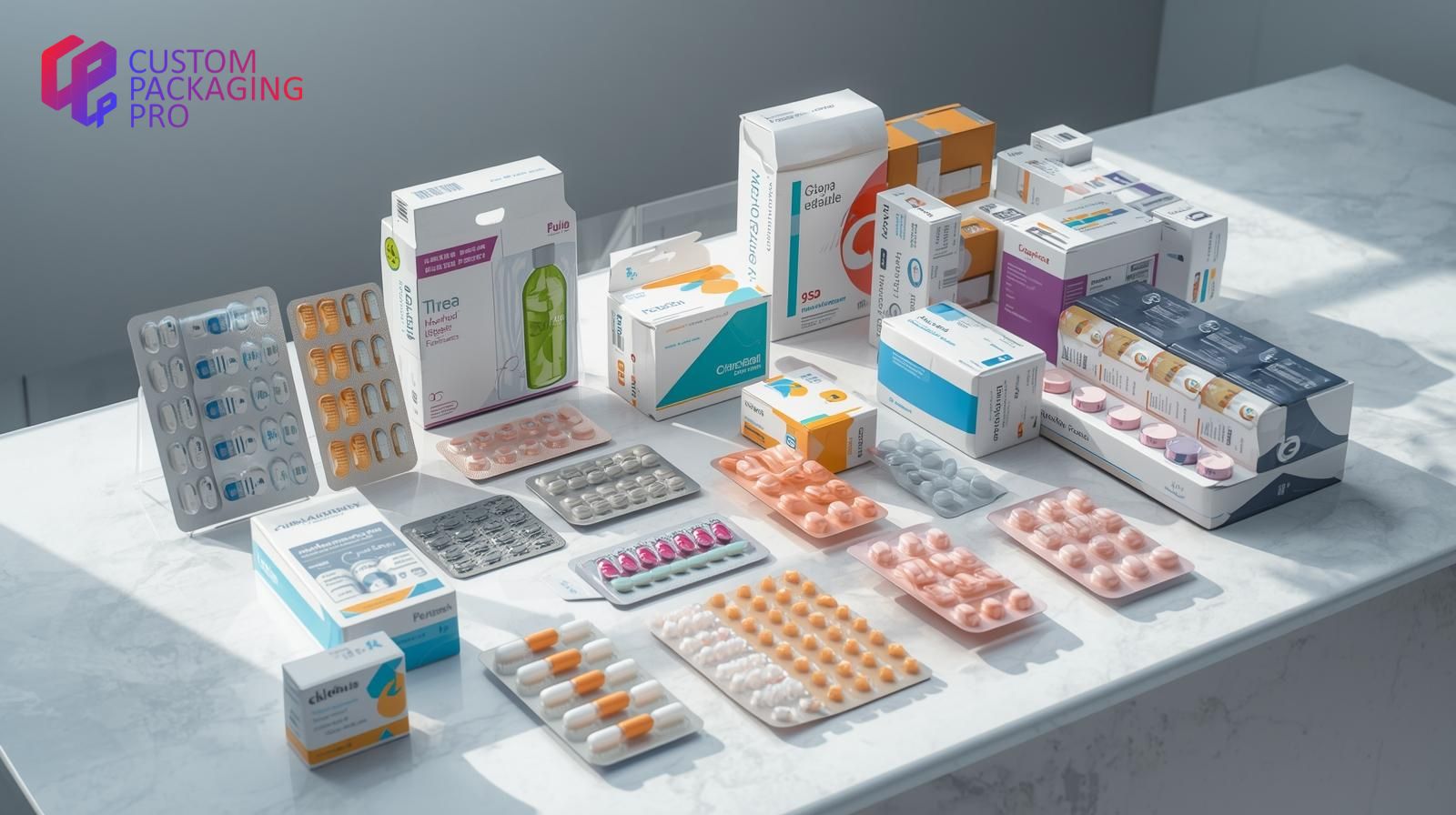
In today’s healthcare industry, pharma packaging is far more than just wrapping a product. It plays a critical role in patient safety, regulatory compliance, product protection, and brand trust. From tablets and capsules to syrups, injections, and medical devices, pharmaceutical packaging ensures medicines reach patients in perfect condition.
Across the UK, pharmaceutical companies rely on high-quality pharma packaging UK solutions that meet strict safety standards while supporting efficient storage, transport, and branding. With rising demand for customized packaging, tamper-evident designs, and temperature-controlled solutions, pharma packaging has become a core part of modern healthcare manufacturing.
What Is Pharma Packaging?
Pharma packaging refers to the process of designing, producing, and assembling packaging for pharmaceutical and healthcare products. Its main goals are:
-
Protect medicines from contamination
-
Maintain drug stability
-
Ensure correct dosage information
-
Prevent tampering and counterfeiting
-
Comply with GMP and regulatory standards
Pharmaceutical packaging includes primary, secondary, and tertiary packaging, each serving a specific function in the supply chain.
Types of Pharmaceutical Packaging
1. Primary Pharmaceutical Packaging
This is the packaging that comes into direct contact with the medicine.
Common examples include:
-
Blister packs
-
Plastic bottles
-
Glass vials
-
Ampoules
-
Syringes
Primary packaging focuses on drug safety, dosage accuracy, and protection from moisture, air, and light.
2. Secondary Pharmaceutical Packaging
Secondary packaging protects primary packaging and provides branding and information.
Examples include:
-
Printed medicine boxes
-
Cartons for blister packs
-
Instruction leaflets
-
Tamper-evident outer boxes
This stage is where printed boxes UK, branding, and regulatory details are added.
3. Tertiary Pharmaceutical Packaging
Used for bulk handling, storage, and transport.
Examples:
-
Pallet packaging
-
Protective cartons for export
Tertiary packaging ensures products remain safe during logistics and distribution.
Common Materials Used in Pharma Packaging
Choosing the right material is essential for compliance and protection.
Cardboard & Paperboard
-
Lightweight and cost-effective
-
Easy to print and customize
-
Widely used for medicine cartons
Plastic Packaging
-
Used for bottles, droppers, and containers
-
Moisture-resistant and durable
-
Ideal for syrups and liquid medicines
Glass Packaging
-
Chemically stable
-
Used for injectables and sensitive drugs
-
High barrier against contamination
Foils & Laminates
-
Common in blister packaging
-
Protect against light, oxygen, and moisture
Many packaging companies in London now offer eco-friendly pharma packaging using recyclable and low-impact materials.
Blister Packaging in Pharma
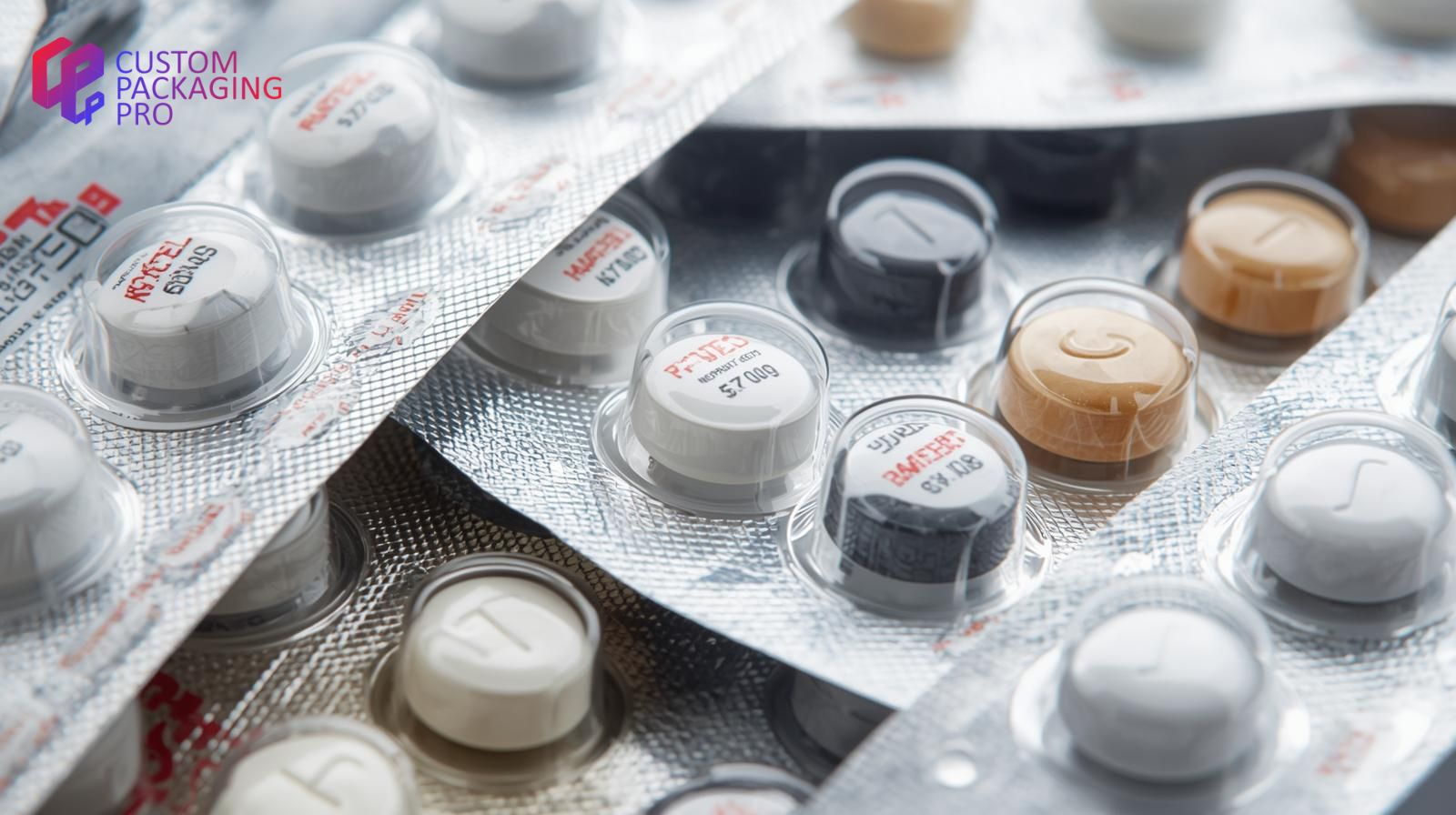
Blister packs are one of the most widely used pharmaceutical packaging systems in the UK.
Benefits of Blister Packaging:
-
Accurate dosage control
-
High visibility of tablets
-
Tamper-evident protection
-
Extended shelf life
-
Easy patient use
Blister packaging is commonly used for tablets, capsules, and oral solid dosages.
Temperature-Controlled Pharma Packaging
Certain pharmaceutical products require strict temperature control to maintain effectiveness.
Temperature-controlled Custom Printed Medicine Packaging Boxes is used for:
-
Vaccines
-
Biologics
-
Insulin
-
Specialty medicines
These solutions help maintain cold chain compliance during storage and transport, especially for international distribution.
Importance of Tamper-Evident Packaging
Tamper-evident pharma packaging protects patients and builds trust.
Common tamper-evident features include:
-
Sealed blister packs
-
Breakable caps
-
Security seals
-
Tear strips on cartons
These features ensure medicines have not been altered before reaching the end user.
Printing & Design in Pharmaceutical Packaging
While safety is the priority, design and printing are also important.
Pharma packaging design includes:
-
Clear dosage instructions
-
Batch numbers and expiry dates
-
Barcodes and serialisation
-
Regulatory symbols
-
Multilingual information
Modern pharma packaging design balances clarity, compliance, and professional branding.
GMP & Regulatory Compliance
Pharmaceutical packaging must follow Good Manufacturing Practice (GMP) guidelines.
Key compliance factors:
-
Clean production environments
-
Accurate labeling
-
Traceability
-
Quality control checks
-
Safe material sourcing
Compliance ensures patient safety and legal approval in the UK healthcare market.
Custom Pharma Packaging Solutions
Many businesses now prefer custom pharma packaging to meet specific product needs.
Custom options include:
-
Bespoke box sizes
-
Custom inserts for vials or bottles
-
Printed pharma packaging with branding
-
Eco-friendly packaging alternatives
-
Serialized and trackable packaging
Custom solutions help pharmaceutical brands improve efficiency and product presentation.
Why Pharma Packaging Matters for Healthcare Brands
Effective pharmaceutical packaging:
-
Protects medicine integrity
-
Builds patient confidence
-
Reduces product damage
-
Ensures legal compliance
-
Enhances brand credibility
With growing competition, packaging has become a strategic advantage in the healthcare sector.
Final Thoughts
Pharma packaging is a critical component of the pharmaceutical supply chain. From blister packs and medicine boxes to temperature-controlled and tamper-evident solutions, the right packaging ensures safety, compliance, and trust.
For healthcare brands seeking reliable pharma packaging UK solutions, working with an experienced custom packaging provider ensures quality, scalability, and compliance with industry standards.
At the end of the day, well-designed pharmaceutical packaging protects not just products—but people.
Custom Packaging Pro UK provides high-quality, compliant, and pharmaceutical customized packaging solutions designed to meet the evolving needs of healthcare and pharmaceutical brands across the UK.
FAQs – Pharma Packaging
1. What is pharma packaging used for?
Pharma packaging is used to protect, store, and distribute medicines safely while meeting regulatory standards.
2. What materials are commonly used in pharmaceutical packaging?
Common materials include cardboard, plastic, glass, foils, and laminated films.
3. Why is blister packaging popular in pharma?
Blister packaging offers dosage control, tamper resistance, and extended shelf life.
4. Is eco-friendly pharma packaging available?
Yes, many suppliers now offer recyclable and sustainable pharmaceutical packaging options.
5. Can pharma packaging be customized?
Yes, pharmaceutical packaging can be customized in size, design, printing, and material while remaining compliant.






Leave a Reply