
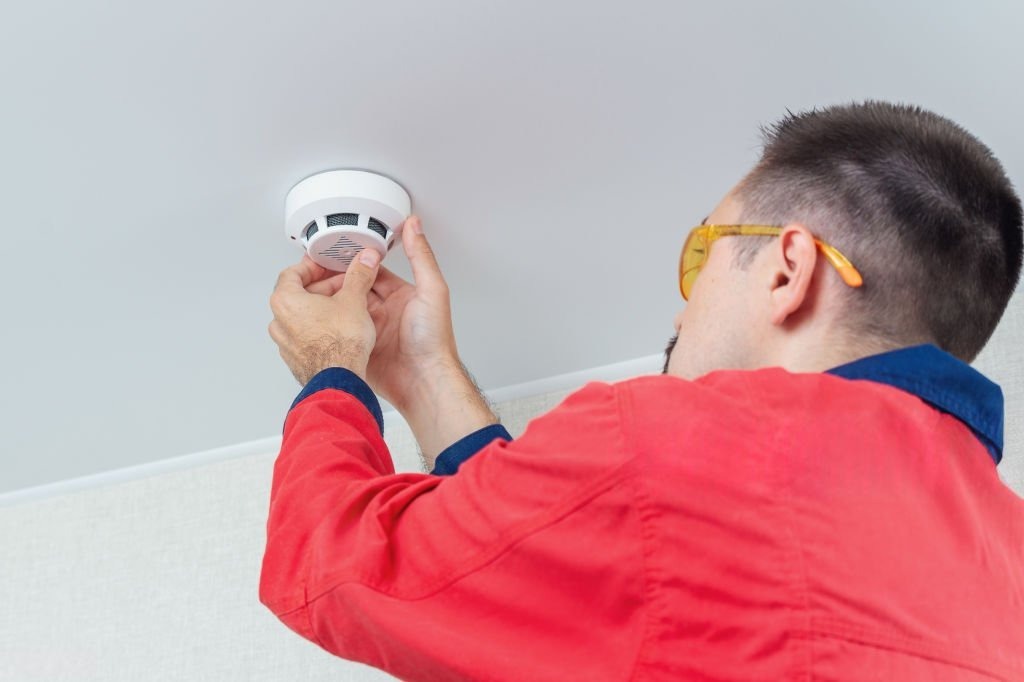
Tottenham is changing fast, but its housing stock still tells a long story. Rows of Victorian terraces, post-war estates, 1930s semis, and newer developments now sit side by side. That variety is exactly why a Gas Safety Certificate in Tottenham needs to be treated as a practical safeguard, not just a legal formality. Gas systems here often reflect decades of alterations, extensions, and upgrades, and those changes matter when it comes to safety.
For landlords, homeowners, and property managers, understanding gas safety in Tottenham means understanding the buildings themselves—and the expectations of both tenants and the council.
Why Gas Safety Carries Extra Weight in Tottenham
Tottenham has one of the highest rental densities in Haringey. Many properties were originally designed as single-family homes but are now split into multiple flats, often with shared or heavily modified gas installations. High tenant turnover, combined with older infrastructure, increases the risk of small issues going unnoticed.
Haringey Council is also known for active enforcement, particularly around private rentals and HMOs. Missed gas checks often surface during licensing reviews, tenant complaints, or property inspections. In this area, staying compliant isn’t just sensible—it’s essential.
What a Gas Safety Certificate Means in Real Terms
A gas safety check isn’t about ticking boxes. It’s a hands-on inspection that looks at how gas appliances are actually operating in your property. In Tottenham homes, this usually includes:
- Boilers in kitchens, cupboards, or airing spaces
- Gas cookers and hobs, often heavily used in shared homes
- Gas fires in older living rooms
- Flues running through extensions or loft conversions
- Pipework that may be boxed in or partially concealed
Engineers regularly find appliances that appear to work fine but are operating inefficiently or unsafely due to ventilation changes or ageing components.
Landlord Responsibilities You Can’t Ignore
If you rent out property in Tottenham, the rules are clear and strictly enforced:
- Arrange a gas safety check every 12 months
- Use a Gas Safe registered engineer
- Provide tenants with the certificate within 28 days
- Keep records for at least two years
In practice, managing dates across multiple properties can be challenging. That’s why many landlords rely on services like gassafetycertificateuk.co.uk to keep inspections organised and avoid accidental lapses.
Tottenham Housing Types and Common Inspection Issues
Victorian and Edwardian Terraces
Often converted into flats, these properties frequently have altered flue routes and extended kitchens. Reduced ventilation after refurbishments is a common cause of failed checks.
Post-War and Council Estates
Gas installations here are usually robust but ageing. Engineers often flag worn pipework, outdated controls, or poorly maintained communal systems.
Newer Developments
Even modern flats aren’t immune. Incorrect installation details—such as poorly routed condensate pipes—are regularly picked up during first annual inspections.
Real Gas Safety Inspection Examples from Tottenham
Converted House near Tottenham High Road
A boiler failed its inspection because a loft conversion had partially obstructed the flue. The issue wasn’t visible until testing was carried out.
Rental Flat off West Green Road
A gas hob was safe, but the emergency isolation valve was inaccessible behind fitted units, requiring remedial work before certification.
Family Home Close to Bruce Grove
New windows improved insulation but reduced airflow. The inspection highlighted the need for additional ventilation to keep the boiler operating safely.
These are typical findings—not extreme cases—and they show why regular checks matter.
Homeowners vs Landlords: Different Duties, Same Risks
Homeowners in Tottenham aren’t legally required to hold a Gas Safety Certificate, but many choose to arrange annual checks anyway. With older boilers and frequent renovations in the area, preventative inspections often catch issues early.
For landlords, there’s no flexibility. Annual certification is mandatory, and failure to comply can affect insurance, licensing, and legal standing. Many local landlords use gassafetycertificateuk.co.uk to maintain consistency across their Tottenham properties.
When Is the Best Time to Book a Gas Safety Check?
While checks are legally required every 12 months, timing matters. Late summer or early autumn is ideal—engineers are more available, and any issues can be resolved before winter demand increases.
You should also book sooner if:
- Appliances are over 10 years old
- Renovation work has taken place
- Tenants report unusual smells or boiler noise
Choosing the Right Engineer in Tottenham
Look for engineers who:
- Are fully Gas Safe registered
- Have experience with older London housing
- Take time to explain findings clearly
A good inspection should leave you informed and confident. Many property owners stick with trusted providers such as gassafetycertificateuk.co.uk because local knowledge often leads to smoother inspections and fewer surprises.
Gas Safety as Part of Responsible Property Management
In Tottenham’s fast-moving rental market, gas safety plays a role in tenant trust, council compliance, and long-term property value. Clear records support licensing applications, insurance claims, and future sales.
Handled properly, gas safety becomes a routine part of managing property—quietly protecting occupants and reducing the risk of emergencies.
Frequently Asked Questions
How long does a gas safety inspection usually take?
Most inspections take between 30 and 60 minutes, depending on the number of appliances and access.
Can tenants refuse a gas safety check?
They can’t unreasonably refuse, but landlords must show they’ve made genuine efforts to arrange access.
What happens if an appliance fails the inspection?
If it’s unsafe, the engineer may disconnect it. Repairs must be completed before certification is issued.
Does the certificate include repair work?
No. The certificate confirms safety at the time of inspection; repairs are charged separately.
Are digital gas safety certificates valid?
Yes, as long as tenants can easily access them.
Do new boilers still need annual checks?
Yes. All gas appliances must be checked every year, regardless of age.






Leave a Reply