
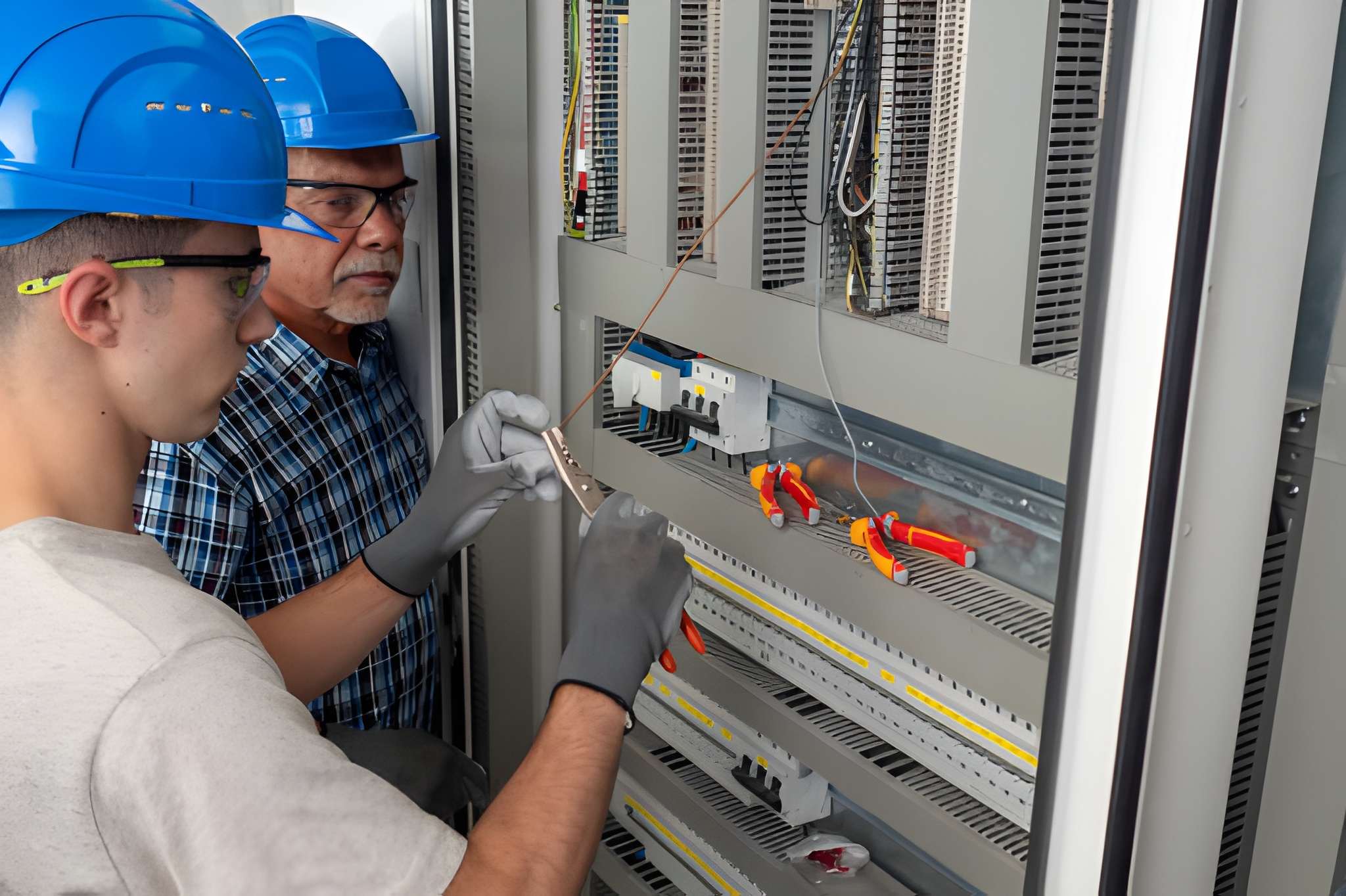
Finsbury Park is one of those areas that never really slows down. With its mix of Victorian terraces, purpose-built flats, HMOs, and modern developments near transport links, properties here are under constant electrical demand. That’s exactly why an EICR in Finsbury Park matters. It provides a clear, professional check on whether a building’s electrical system is still fit for the way people actually live today.
For landlords, homeowners, and property managers, an Electrical Installation Condition Report is less about ticking boxes and more about staying ahead of problems before they disrupt tenants, budgets, or safety.
What an EICR Looks At in a Typical Finsbury Park Property
An EICR examines the fixed electrical installation, not appliances. During the inspection, the electrician checks:
- Consumer units and protective devices
- Fixed wiring hidden behind walls and floors
- Earthing and bonding systems
- Sockets, switches, and fixed lighting
In Finsbury Park, it’s common to find properties that have been extended, subdivided, or upgraded over time. An EICR in Finsbury Park helps confirm whether these changes have been carried out safely and whether older systems are coping with modern loads.
Why Finsbury Park Homes Face Unique Electrical Pressures
High occupancy levels and constant turnover mean electrical systems in this area work hard. Rental flats, shared houses, and family homes often run multiple high-demand appliances at once.
Local inspections frequently highlight:
- Circuits stretched beyond their original design
- Older consumer units still in service
- Inconsistent upgrades across different parts of the property
These issues may not cause immediate failures, but over time they increase the risk of faults, outages, or safety concerns.
Landlord Responsibilities You Need to Get Right
If you rent out a property, arranging an EICR in Finsbury Park is a legal requirement. Landlords must
- Hold a valid EICR at least every five years
- Provide the report to tenants and local authorities when requested
- Complete urgent remedial work within the specified timeframe
Many local landlords choose to work with London Property Inspections to ensure inspections are thorough, clear, and timed to minimise tenant disruption.
Homeowners: When an EICR Makes Sense
Even if you’re not letting your property, an EICR is strongly recommended if:
- Your home is over ten years old
- You’re planning renovations or layout changes
- Electrical faults keep occurring
- You’re preparing to sell
Homeowners in Finsbury Park often find that an EICR identifies small, affordable improvements that significantly improve safety and reliability.
Understanding Your EICR Results
EICR findings are categorised to show urgency:
- C1 – Immediate danger, urgent action required
- C2 – Potentially dangerous, must be addressed
- C3 – Improvement recommended
Many properties receive a mix of C2 and C3 observations. A provider like London Property Inspections will explain these clearly, helping you prioritise what needs immediate attention and what can be planned over time.
How to Prepare for a Smooth Inspection
A few simple steps can help:
- Ensure clear access to the consumer unit and sockets
- Inform tenants about brief power interruptions
- Gather any previous electrical certificates
Good preparation keeps the inspection efficient and avoids unnecessary delays.
Choosing a Local Electrical Inspection Specialist
Local knowledge matters in an area as varied as Finsbury Park. Inspectors who understand common property layouts, shared systems, and rental patterns can deliver more accurate, useful reports. Choosing a trusted local specialist ensures your EICR is practical, not just technical.
Final Thoughts: Staying Proactive With Electrical Safety
An EICR in Finsbury Park is more than a compliance exercise—it’s a proactive step toward safer, more reliable properties. In a fast-paced area with constant electrical demand, regular inspections help protect occupants, reduce risk, and support long-term property value.
Frequently Asked Questions
How long does an EICR inspection usually take?
Most residential EICRs take between two and four hours, depending on the size and complexity of the property.
Will tenants be without power during the inspection?
Power may be switched off briefly for testing, but disruption is usually minimal.
How often do landlords need an EICR?
Every five years, or sooner if the report specifies.
What happens if faults are found?
You’ll receive a clear breakdown of required repairs and recommended improvements to restore compliance.
Is an EICR required for owner-occupied homes?
It’s not legally required, but it’s highly recommended for older properties or before major changes.






Leave a Reply