
Introduction
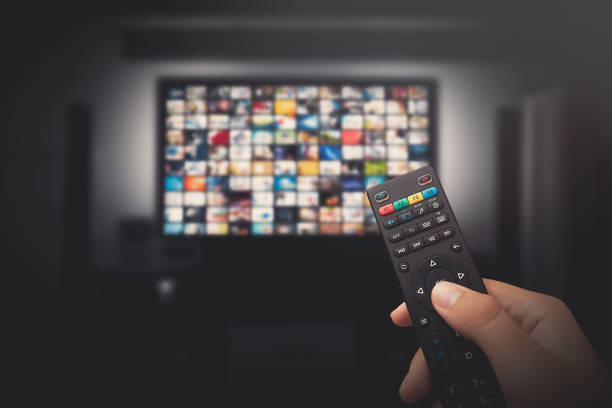
Television has undergone a fundamental transformation. The shift from analog broadcasts to digital streaming has changed not only how content is delivered, but also how audiences interact with media. Today, viewers expect flexibility, device compatibility, and control over what they watch and when they watch it.
One term increasingly appearing in online searches is crystal ott iptv. Users searching for this keyword are typically looking for clarity rather than promotion—seeking to understand what it represents, how IPTV technology functions, and whether it aligns with modern digital consumption patterns.
This article serves as a purely informational guide. It explains the underlying concepts, technical framework, real-world applications, and considerations related to crystal ott iptv, following Google’s content quality principles and avoiding any sales-driven language.
The Evolution of Television Delivery
Understanding IPTV requires context. Television delivery has evolved through several stages:
Traditional Broadcast Era
Television signals were transmitted via antennas and later through cable networks. Content schedules were fixed, and user control was minimal.
Digital Cable and Satellite
Digital compression allowed more channels and better quality, but infrastructure costs and geographic limitations remained.
Internet-Based Streaming
With the rise of broadband internet, content delivery shifted toward IP networks, enabling on-demand viewing and multi-device access.
IPTV represents a structured form of internet television that blends traditional channel formats with modern streaming technologies.
Defining IPTV in Simple Terms
IPTV, or Internet Protocol Television, delivers television content using internet networks instead of conventional broadcast methods. Rather than tuning into frequencies, IPTV streams data packets over IP-based infrastructure.
Core Characteristics of IPTV
-
Content delivered via broadband internet
-
Supports live TV and scheduled programming
-
Integrates on-demand media
-
Enables user interaction and customization
When paired with OTT frameworks, IPTV becomes more flexible and scalable.
Understanding the Meaning of Crystal OTT IPTV
The phrase crystal ott iptv is commonly used as a descriptive keyword rather than a formal technical standard. In most contexts, it refers to an IPTV system that operates using OTT delivery principles.
Typically, this includes:
-
Internet-based TV streaming
-
App-driven access across devices
-
IPTV playlists or middleware platforms
-
Combination of live channels and VOD
It is important to note that crystal ott iptv describes a category or approach, not a proprietary protocol.
How IPTV Infrastructure Is Built
To better understand crystal ott iptv, it helps to examine the technical structure behind IPTV systems.
Content Sources
Content originates from broadcasters, studios, or licensed distributors.
Encoding Process
Raw video is compressed into digital formats to optimize streaming efficiency and reduce bandwidth usage.
Middleware Systems
Middleware manages authentication, channel lists, program guides, and user profiles.
Distribution Servers
Content is hosted on servers and delivered using adaptive streaming protocols.
End-User Applications
Users access streams through apps or media players installed on compatible devices.
IPTV Streaming Protocols Explained
Several protocols enable IPTV streaming:
-
HLS (HTTP Live Streaming) – widely supported, adaptive bitrate
-
MPEG-DASH – flexible and codec-agnostic
-
RTSP – used in controlled network environments
These protocols ensure smooth playback across different internet speeds and devices.
Common Components Found in IPTV Platforms
Although implementations vary, most IPTV systems share similar components.
Live Channel Delivery
Real-time streaming of television channels over IP networks.
Video on Demand Libraries
Collections of recorded content accessible at any time.
Electronic Program Guide (EPG)
A digital schedule that allows users to browse upcoming content.
User Interface Layer
The visual layout that enables navigation and content discovery.
Device Compatibility and Access
One of the main reasons users research crystal ott iptv is device flexibility.
Smart Televisions
Modern smart TVs support IPTV applications or playlist integration.
Mobile Platforms
Android and iOS devices can access IPTV via dedicated apps.
Desktop Systems
IPTV streams can be played on computers using software players or web interfaces.
Streaming Hardware
External devices such as Android TV boxes are often used for IPTV playback.
Internet Requirements for IPTV
Streaming quality depends largely on internet performance.
Bandwidth Guidelines
-
Standard Definition: 4–6 Mbps
-
High Definition: 10–15 Mbps
-
Ultra HD (4K): 25+ Mbps
Latency, packet loss, and network stability are equally important factors.
IPTV Compared With Other Viewing Methods
IPTV vs Cable Television
IPTV eliminates the need for physical cable infrastructure and offers greater device flexibility.
IPTV vs Satellite TV
Satellite relies on geographic coverage and weather conditions, while IPTV depends on internet access.
IPTV vs On-Demand Streaming Apps
IPTV focuses on live channels and scheduled programming, while OTT apps emphasize on-demand libraries.
Legal Awareness and Content Rights
A critical topic associated with crystal ott iptv is legal compliance.
Key Legal Points
-
IPTV technology is legal
-
Content licensing determines legality
-
Rights vary by country and region
-
Users should verify service compliance
Understanding legal frameworks helps users avoid unintended risks.
Privacy and Cybersecurity Considerations
IP-based services require attention to digital security.
Areas to Consider
-
Data encryption
-
User authentication
-
Secure applications
-
Network protection
Responsible usage includes choosing reputable platforms and maintaining secure networks.
Practical Use Cases of IPTV Technology
IPTV extends beyond home entertainment.
Residential Viewing
Households seeking flexible TV access.
Hospitality Sector
Hotels using IPTV for guest services and information.
Corporate Communication
Internal broadcasting and training content.
Education
Remote learning, recorded lectures, and informational channels.
Advantages of IPTV Systems
From a technological standpoint, IPTV offers:
-
Scalability
-
Device independence
-
Content flexibility
-
Interactive capabilities
These advantages explain the growing interest in IPTV-related searches.
Limitations and Challenges
Despite its benefits, IPTV has challenges:
Network Dependence
Performance relies entirely on internet quality.
Technical Configuration
Initial setup may require user familiarity with apps and settings.
Content Availability
Access depends on licensing and regional restrictions.
Why Users Search for Crystal OTT IPTV
Search intent analysis shows that users want:
-
Clear explanations
-
Technology comparisons
-
Usage guidance
-
Risk awareness
Providing transparent information aligns with user expectations and search engine quality standards.
SEO and Informational Content Strategy
From an SEO perspective, long-form informational content supports:
-
E-E-A-T principles (Experience, Expertise, Authoritativeness, Trustworthiness)
-
Lower bounce rates
-
Higher engagement
-
Sustainable organic traffic
Google prioritizes content that educates rather than persuades.
Future Trends in IPTV and Internet TV
IPTV technology continues to evolve.
Emerging Developments
-
AI-driven content recommendations
-
Cloud-based IPTV platforms
-
Improved compression standards
-
Enhanced user personalization
These advancements will further shape internet television consumption.
Frequently Asked Questions
Is IPTV suitable for all internet connections?
Stable broadband is essential for consistent performance.
Does IPTV replace traditional TV entirely?
For some users yes, while others use it alongside traditional services.
Can IPTV be used internationally?
Availability depends on licensing and regional regulations.
Conclusion
The growing interest in crystal ott iptv highlights the demand for flexible, internet-based television solutions. IPTV represents a significant shift from traditional broadcasting, combining structured programming with modern streaming capabilities.






Leave a Reply