
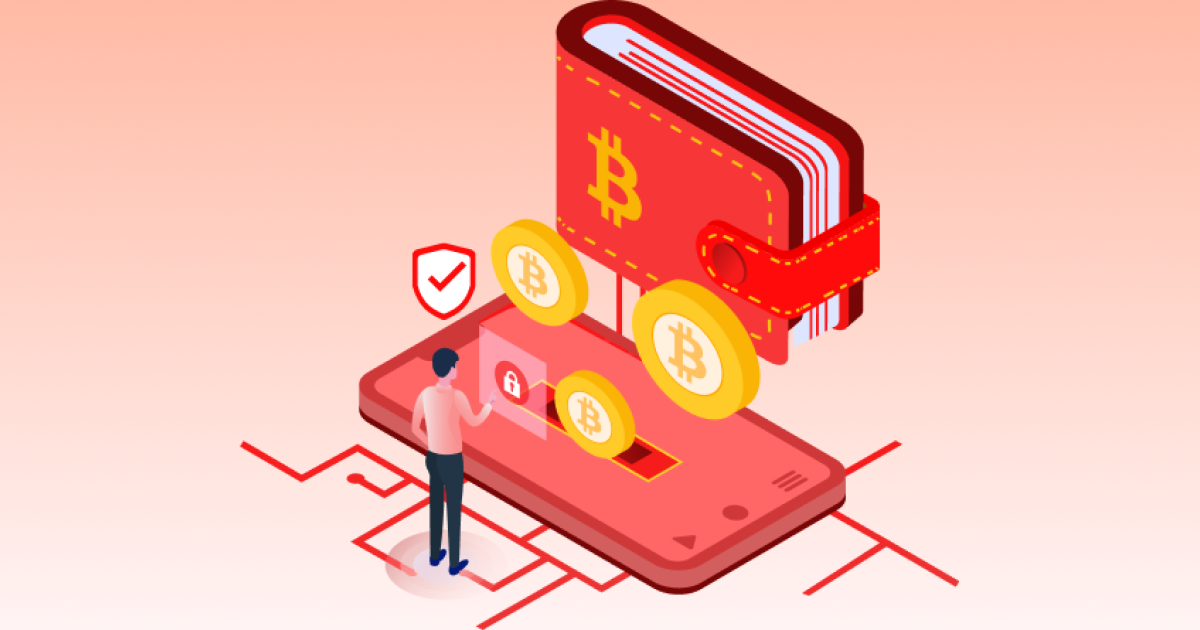
Cryptocurrency has transformed the way people think about money, ownership, and digital value. Unlike traditional financial systems that rely on banks and centralized institutions, cryptocurrencies operate on decentralized blockchain networks. While this provides greater transparency and control, it also places responsibility directly on users—especially when it comes to security.
To safely store and manage digital assets, users rely on crypto wallets. For beginners, the concept of crypto wallets can seem complex, filled with unfamiliar terms like private keys, public addresses, and cold storage. However, once the basics are understood, crypto wallets are straightforward and essential tools in the crypto ecosystem.
This guide explains how crypto wallets work, the different types of wallets available, and best practices for securely storing digital assets.
What Is a Crypto Wallet?
A crypto wallet development services is a digital tool that allows users to store, send, receive, and manage cryptocurrencies such as Bitcoin, Ethereum, and other digital assets.
Contrary to common belief, crypto wallets do not actually store cryptocurrencies. Instead, they store cryptographic keys that give users access to their assets on the blockchain.
In simple terms:
- The blockchain stores the cryptocurrency
- The wallet stores the keys that prove ownership
Without access to these keys, digital assets cannot be controlled or transferred.
How Crypto Wallets Work
Crypto wallets function by interacting with blockchain networks to authorize and record transactions. Here’s a simplified breakdown of how they work:
Wallet Creation
When a crypto wallet is created, it generates a pair of cryptographic keys:
- A public key, which becomes the wallet address
- A private key, which acts as proof of ownership
Receiving Cryptocurrency
- The user shares their public wallet address
- The sender transfers crypto to that address
- The transaction is recorded on the blockchain
Sending Cryptocurrency
- The user enters the recipient’s wallet address
- The wallet signs the transaction using the private key
- The blockchain verifies and confirms the transaction
Transaction Confirmation
Once validated, the transaction becomes permanent and visible on the blockchain ledger.
The private key is the most important element of a wallet. Anyone with access to it can control the funds, which is why protecting it is critical.
Understanding Public Keys and Private Keys
Public Key
- Can be shared safely
- Acts like an account number
- Used to receive cryptocurrency
Private Key
- Must remain secret
- Acts like a password or digital signature
- Used to authorize transactions
If a private key is lost, access to the wallet is lost permanently. There is no password recovery or customer support in decentralized systems.
Types of Crypto Wallets
Crypto wallets are generally classified based on how they store private keys and connect to the internet.
Hot Wallets
Hot wallets are connected to the internet and offer convenience and ease of use.
Examples of Hot Wallets
- Mobile wallets
- Desktop wallets
- Web-based wallets
Advantages
- Easy to use
- Quick access to funds
- Ideal for frequent transactions
Limitations
- More vulnerable to hacking
- Less secure for large holdings
Hot wallets are commonly used for everyday transactions and small balances.
Cold Wallets
Cold wallets store private keys offline, making them more secure from online threats.
Examples of Cold Wallets
- Hardware wallets
- Paper wallets
Advantages
- High level of security
- Resistant to online attacks
- Suitable for long-term storage
Limitations
- Less convenient for frequent use
- Requires physical access
Cold wallets are often preferred for storing large amounts of cryptocurrency wallet development company.
Custodial vs Non-Custodial Wallets
Another important distinction is who controls the private keys.
Custodial Wallets
In custodial wallets, a third party holds the private keys on behalf of the user.
Pros
- Easy for beginners
- Password recovery options
- User-friendly interfaces
Cons
- Less control
- Dependence on the service provider
- Potential security risks
Non-Custodial Wallets
Non-custodial wallets give users full control over their private keys.
Pros
- Full ownership of assets
- Greater privacy and control
- No third-party dependency
Cons
- Responsibility for security
- No recovery if keys are lost
Non-custodial wallets align closely with the decentralized philosophy of cryptocurrency.
Why Crypto Wallet Security Matters
Cryptocurrency transactions are irreversible. If assets are stolen or lost due to poor security practices, recovery is usually impossible.
Common risks include:
- Phishing attacks
- Malware and keyloggers
- Fake wallet applications
- Lost private keys
Understanding wallet security is essential for protecting digital assets.
Best Practices for Secure Digital Asset Storage
Use Strong Passwords
Always protect your crypto wallet with a strong and unique password. Avoid using common words or passwords reused across other accounts, as this reduces the risk of unauthorized access.
Enable Two-Factor Authentication
Whenever available, enable two-factor authentication to add an extra layer of security. This ensures that even if a password is compromised, access to the wallet remains protected.
Backup Recovery Phrases
Most crypto wallets provide a recovery or seed phrase during setup. Store this phrase offline in a secure location, as it is the only way to restore access if the wallet is lost.
Avoid Public Wi-Fi
Using public Wi-Fi networks can expose wallets to hacking and data interception. It is safer to access crypto wallets only through trusted and secure internet connections.
Verify Wallet Sources
Always download crypto wallets from official websites or trusted app stores. Using unverified sources increases the risk of malware, phishing, and fake wallet applications.
Common Mistakes Beginners Make
Many new users make avoidable mistakes when managing crypto wallets, such as:
- Sharing private keys
- Storing recovery phrases digitally
- Using unverified wallet apps
- Keeping large funds in hot wallets
Avoiding these mistakes significantly improves wallet security.
How Crypto Wallets Support the Broader Crypto Ecosystem
Crypto wallets are more than storage tools. They enable:
- Participation in decentralized finance (DeFi)
- NFT Development Company ownership and transfers
- Interaction with blockchain applications
- Secure peer-to-peer transactions
As blockchain adoption grows, wallets continue to evolve with advanced features and better usability.
The Future of Crypto Wallets
The future of crypto wallets focuses on:
- Improved user experience
- Enhanced security mechanisms
- Multi-chain compatibility
- Integration with Web3 applications
Innovations such as biometric authentication and smart contract wallets are shaping the next generation of digital asset storage.
Conclusion
Crypto wallets are a foundational component of the cryptocurrency ecosystem. They enable users to securely access, manage, and transfer digital assets while maintaining control and ownership.
For beginners, understanding how crypto wallets work is essential for safe participation in the digital economy. By choosing the right type of wallet and following best security practices, users can protect their assets and confidently explore the world of cryptocurrency.
As blockchain technology continues to evolve, crypto wallets will remain a critical bridge between users and decentralized networks making secure digital asset storage more important than ever.






Leave a Reply