
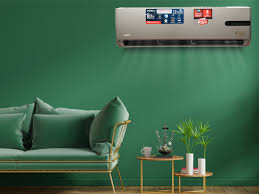
Smart cooling has become essential for homes and businesses facing rising temperatures and energy costs. Where Climate Solution and Hisense Lead Smart Cooling 2026 defines modern comfort, sustainability, and efficiency. Consumers now demand cooling systems that reduce power use without compromising indoor comfort. An energy efficient ac is no longer optional; it is a future necessity.
Technology brands and solution providers are shaping cooling innovation through performance-driven systems. Where Climate Solution and Hisense Lead Smart Cooling 2026 explains this transformation clearly and practically. Their combined expertise delivers reliable cooling with lower emissions and smarter controls. This approach supports environmental goals while meeting modern lifestyle expectations.
Understanding Smart Cooling in 2026
Smart cooling integrates automation, efficiency, and environmental responsibility into modern air conditioning systems. It focuses on adaptive performance rather than constant high power consumption. An energy efficient ac responds dynamically to temperature, occupancy, and external climate conditions.
Smart systems use sensors, artificial intelligence, and inverter technology. These technologies help maintain comfort while reducing unnecessary energy usage. Smart cooling also supports long-term cost savings and sustainable living goals.
What Is an Energy Efficient AC System
An energy efficient ac consumes less electricity while delivering consistent cooling performance. It minimizes energy waste through advanced compressors and optimized airflow design. Efficiency ratings help consumers identify systems with lower operational costs.
Key characteristics define an energy efficient air conditioning system.
- Inverter-driven compressors
- Smart temperature modulation
- Low standby power consumption
- Eco-friendly refrigerants
- Intelligent control systems
These features ensure optimal cooling with reduced environmental impact.
Why Energy Efficiency Matters in Modern Cooling
Energy efficiency directly impacts electricity bills and carbon emissions. Rising energy costs make efficiency essential for households and commercial buildings. An energy efficient ac reduces monthly expenses while supporting sustainable development goals.
Efficient systems also reduce strain on national power grids. Lower demand during peak hours improves energy stability. Governments increasingly encourage efficiency through regulations and incentive programs.
Role of Climate Solution in Smart Cooling Innovation
Climate Solution focuses on delivering advanced HVAC strategies for modern infrastructure needs. Their solutions emphasize system optimization, energy reduction, and long-term reliability. They prioritize customized cooling approaches for diverse residential and commercial requirements.
Key strengths of Climate Solution include the following points.
- Professional system design
- Energy performance optimization
- Smart control integration
- Sustainable cooling strategies
- Long-term service reliability
These strengths support widespread adoption of energy efficient ac systems.
How Hisense Drives Cooling Technology Forward
Hisense is globally recognized for innovation in consumer and commercial cooling solutions. Their research focuses on balancing performance, durability, and energy efficiency. Hisense products consistently meet international efficiency and sustainability standards.
Hisense air conditioners offer multiple advanced features.
- High-efficiency inverter technology
- Intelligent temperature control
- Low-noise operation
- Eco-friendly refrigerants
- Smart connectivity options
These features enhance comfort while reducing electricity consumption.
Where Climate Solution and Hisense Align Perfectly
Climate Solution and Hisense align through shared efficiency and sustainability objectives. Both emphasize smarter cooling rather than traditional energy-heavy systems. Their collaboration delivers optimized energy efficient ac installations with measurable performance benefits.
This alignment ensures end-to-end value for consumers. System design, product selection, and installation work seamlessly together. The result is dependable cooling with long-term energy savings.
Smart Cooling Technologies Leading 2026
Smart cooling technologies continue evolving rapidly toward automation and predictive performance. These systems adjust operation based on user behavior and weather patterns. An energy efficient ac uses technology to prevent unnecessary power usage.
Key technologies shaping 2026 include the following.
- AI-based temperature optimization
- IoT-enabled remote monitoring
- Smart occupancy sensors
- Variable speed compressors
- Cloud-based performance analytics
These technologies define next-generation cooling solutions.
Benefits of Energy Efficient AC Systems
Energy efficient systems offer benefits beyond reduced electricity bills. They support healthier indoor environments and environmental responsibility. An energy efficient ac also increases property value and system longevity.
Primary benefits include the following advantages.
- Lower operating costs
- Reduced carbon footprint
- Improved temperature consistency
- Quieter operation
- Extended equipment lifespan
These benefits justify investment in smart cooling solutions.
Environmental Impact of Smart Cooling Systems
Traditional cooling systems contribute significantly to greenhouse gas emissions. Smart systems reduce this impact through optimized energy consumption. An energy efficient ac supports climate action and sustainable urban development.
Eco-friendly refrigerants further reduce environmental harm. Lower energy demand decreases fossil fuel dependence. Smart cooling supports global carbon reduction targets.
Applications Across Residential and Commercial Spaces
Smart cooling systems adapt easily across residential and commercial environments. Homes benefit from personalized comfort and lower electricity bills. Commercial spaces gain operational efficiency and consistent indoor climate control.
Common application areas include the following.
- Residential apartments
- Corporate offices
- Retail outlets
- Healthcare facilities
- Educational institutions
Each application benefits from energy efficient ac solutions.
Installation and System Optimization Best Practices
Proper installation ensures maximum efficiency and system lifespan. Poor installation reduces performance regardless of product quality. Climate Solution emphasizes correct system sizing and airflow planning.
Best practices include the following steps.
- Accurate load calculations
- Strategic indoor unit placement
- Proper insulation assessment
- Smart control calibration
- Regular performance testing
These practices enhance long-term efficiency and reliability.
Maintenance for Long-Term Energy Efficiency
Regular maintenance keeps smart cooling systems operating at peak efficiency. Neglected systems consume more power and deliver inconsistent cooling. An energy efficient ac requires routine inspection and cleaning.
Recommended maintenance activities include the following.
- Filter cleaning or replacement
- Coil inspection and cleaning
- Refrigerant level checks
- Control system updates
- Performance efficiency testing
Consistent maintenance preserves energy savings.
Cost Savings Over the System Life cycle
Energy efficient systems provide significant life cycle cost advantages. Initial investment is offset by long-term electricity savings. An energy efficient ac reduces operational expenses year after year.
Lower maintenance costs also contribute to savings. Efficient systems experience fewer breakdowns. This results in predictable ownership expenses.
Future Trends in Smart Cooling Beyond 2026
Smart cooling will continue evolving toward autonomous system management. Artificial intelligence will play a larger role in performance optimization. An energy efficient ac will become increasingly intelligent and adaptive.
Future trends include the following developments.
- Predictive maintenance systems
- Fully automated climate control
- Integration with smart homes
- Renewable energy compatibility
- Carbon-neutral cooling technologies
These trends redefine comfort and sustainability.
Why Smart Cooling Is a Strategic Investment
Cooling systems represent long-term infrastructure investments. Efficiency determines financial and environmental returns over time. An energy efficient ac offers measurable value throughout its lifespan.
Smart cooling aligns with global sustainability priorities. It supports cost control and environmental responsibility. Investing now ensures readiness for future energy standards.
Frequently Asked Questions (FAQs)
What makes an energy efficient AC different from traditional systems
An energy efficient ac uses advanced technology to reduce power consumption while maintaining consistent cooling performance.
Are energy efficient AC systems more expensive
Initial costs may be higher, but long-term electricity savings usually offset the investment.
How does smart cooling reduce electricity usage
Smart systems adjust cooling output automatically based on real-time conditions and user behavior.
Is inverter technology essential for energy efficiency
Yes, inverter compressors are crucial for minimizing power fluctuations and improving efficiency.
Can energy efficient AC systems work in extreme climates
Modern smart systems are designed to perform efficiently across diverse climate conditions.
How often should maintenance be performed
Routine maintenance should occur at least twice yearly for optimal efficiency.
Are smart cooling systems environmentally friendly
Yes, they reduce emissions through lower energy consumption and eco-friendly refrigerants.
Do smart AC systems support remote control
Most modern systems support mobile apps and smart home integration.






Leave a Reply