
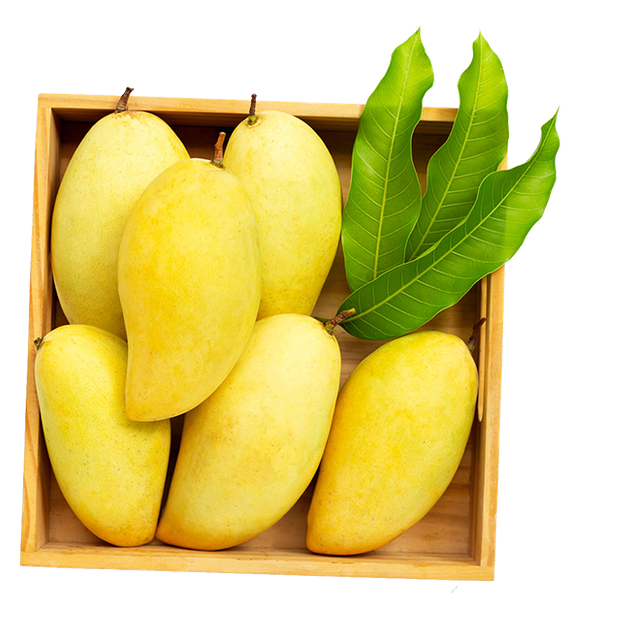
Chaunsa mango is one of Pakistan’s most celebrated fruit varieties, admired worldwide for its rich sweetness, soft texture, and distinct aroma. As international demand grows, export markets have become more selective than ever.
In 2026, quality standards for Chaunsa mango exports are no longer limited to taste alone; they now include strict requirements related to appearance, safety, handling, and traceability factors that matter greatly to international buyers looking to Buy Export Quality Chaunsa Mango from Pakistan.
For growers and exporters in Pakistan, understanding these standards is essential. For buyers, knowing what defines true export quality builds long-term trust and confidence.
Why Export Standards Matter More Than Ever
Global fruit markets have become highly competitive. Importing countries demand consistency, safety, and transparency. A mango that meets local market preferences may still fall short of export standards if it lacks proper grading, certification, or post-harvest handling.
In 2026, export standards serve three main purposes:
- Protecting consumer health
- Ensuring consistent quality
- Preserving the reputation of Pakistani mangoes internationally
This is why farms aiming to serve overseas buyers must go beyond traditional farming methods.
Physical Appearance and Size Requirements
One of the first indicators of export-quality Chaunsa mango is its physical appearance. International buyers expect fruit that is visually appealing and uniform.
Key appearance standards include:
- Even shape with no deformities
- Smooth skin with minimal blemishes
- Uniform size within each carton
- Natural color development without artificial ripening marks
Mangoes that are misshapen, bruised, or unevenly sized are typically rejected for export, even if their taste is excellent.
Taste, Aroma, and Pulp Quality
Chaunsa mango is globally known for its sweetness and strong aroma. In 2026, export markets require:
- High natural sugar content
- Fiberless or very low-fiber pulp
- Consistent flavor profile across batches
Laboratory testing and internal quality checks are often used to ensure that each shipment meets expected taste standards. When international buyers choose to Buy Export Quality Chaunsa Mango, they expect the same premium eating experience every time.
Maturity and Harvesting Standards
Harvesting at the correct maturity stage is critical. Mangoes picked too early lack flavor, while overripe fruit does not travel well.
Export standards require:
- Physiological maturity at harvest
- Proper dry matter content
- Careful hand-picking to avoid sap burn
At Chanab Farms, harvesting schedules are carefully planned to match export transit times, ensuring mangoes reach their destination at peak ripeness.
Post-Harvest Handling and Treatment
Post-harvest handling is one of the most important factors defining export quality in 2026. Even the best mango can lose value if mishandled after picking.
Key post-harvest standards include:
- Hot water treatment to control pests
- Hygienic washing and drying
- Controlled ripening processes
- Temperature-managed storage
These steps help extend shelf life, preserve flavor, and meet importing country regulations.
Food Safety and Certification Requirements
Food safety is non-negotiable in modern export markets. Export-quality Chaunsa mangoes must comply with international safety protocols.
Common requirements include:
- Traceability from farm to shipment
- Residue-free or within allowed pesticide limits
- Compliance with phytosanitary regulations
Documentation and certification play a vital role. Buyers looking to Buy Export Quality Chaunsa Mango often prioritize suppliers who demonstrate transparency and accountability throughout the supply chain.
Packaging and Presentation Standards
Packaging is not just about protection; it also reflects brand value and professionalism.
Export packaging standards in 2026 focus on:
- Food-grade cartons
- Proper ventilation for airflow
- Clear labeling with origin and batch details
- Secure packing to prevent movement and bruising
Well-packaged mangoes reduce waste during transit and enhance buyer confidence.
Cold Chain and Logistics Management
Maintaining a continuous cold chain is essential for export success. Temperature fluctuations can lead to spoilage, uneven ripening, and reduced shelf life.
Export standards require:
- Pre-cooling immediately after harvest
- Refrigerated transport
- Temperature monitoring throughout transit
This level of logistics management separates export-grade fruit from locally marketed produce.
How Chanab Farms Meets Export Quality Standards
Chanab Farms follows a quality-first approach at every stage of production. From orchard management to final packaging, strict controls are in place to meet evolving global standards.
By combining traditional expertise with modern agricultural practices, Chanab Farms ensures consistency, safety, and premium quality. This commitment allows international buyers to confidently Buy Export Quality Chaunsa Mango sourced from Pakistan.
The Future of Chaunsa Mango Exports
As standards continue to evolve, exporters who invest in quality systems, farmer training, and technology will lead the market. In 2026, export success depends not just on producing mangoes, but on delivering a complete quality experience.
Pakistan’s reputation as a premium mango exporter depends on maintaining these standards and continuously improving them.
Frequently Asked Questions (FAQs)
1. What makes Chaunsa mango suitable for export?
Its unique sweetness, aroma, fiberless pulp, and strong international demand make it ideal for export.
2. Are all Chaunsa mangoes export quality?
No, only mangoes that meet strict size, appearance, safety, and handling standards qualify.
3. Why is post-harvest treatment important?
It extends shelf life, controls pests, and ensures compliance with importing country regulations.
4. How does Chanab Farms ensure consistent quality?
Through careful harvesting, modern handling methods, quality checks, and controlled logistics.
5. Do export standards change every year?
Yes, standards evolve based on market expectations, regulations, and food safety requirements.






Leave a Reply