
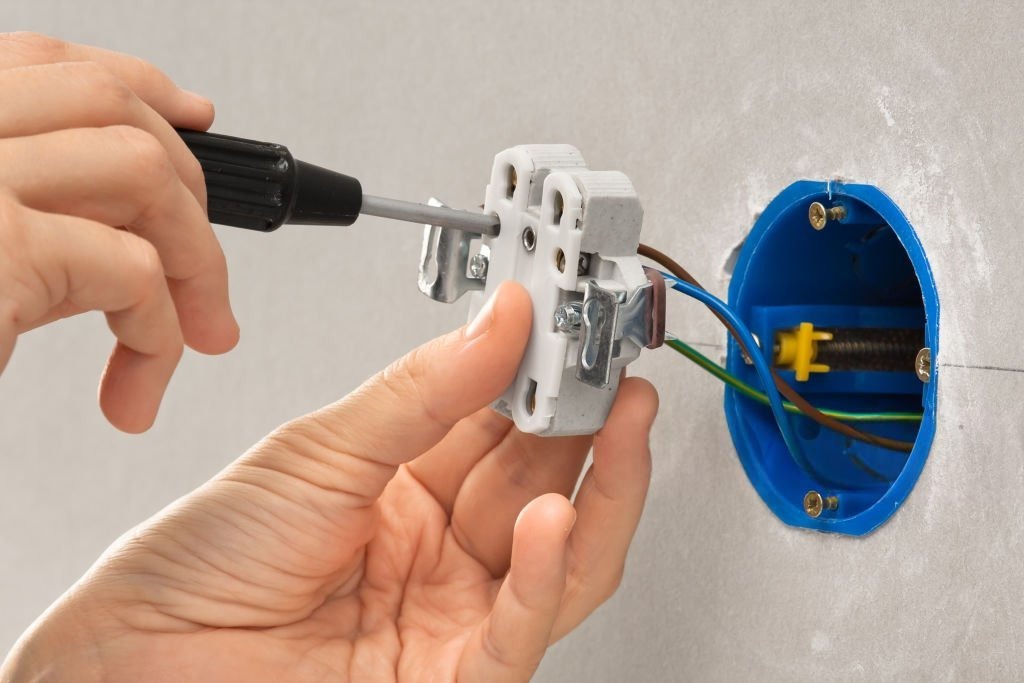
Islington is one of those boroughs where property safety has to be taken seriously, not because of scare stories, but because of how the housing stock has evolved. From Georgian townhouses near Angel to post-war estates and modern apartment blocks around King’s Cross, electrical systems here vary enormously. Understanding EICR in Islington means understanding how those buildings are actually lived in today.
Why Electrical Safety Is a Bigger Issue in Islington Than Many Expect
Older Buildings Carry Hidden Risks
A large proportion of Islington homes were built long before modern electrical standards existed. Even where properties look well maintained, wiring has often been adapted repeatedly—loft conversions, added kitchens, extra sockets—sometimes without a full upgrade of the underlying system.
During a recent inspection of a converted Georgian property near Upper Street, an assessor working alongside London Property Inspections found electrics that appeared fine on the surface. In reality, the consumer unit lacked modern protection, and circuits were carrying more load than they were designed for. Nothing had failed yet, but the risk was clear.
High Rental Density Changes the Picture
Islington has one of the highest rental densities in London. Homes are used intensively, tenants change frequently, and appliances are plugged in and out far more often than in owner-occupied houses. That level of use accelerates wear and tear, which is why routine EICRs are especially important here.
What an EICR Involves in Practice
More Than a Tick-Box Exercise
An Electrical Installation Condition Report is an assessment of whether a property’s electrics are safe for continued use. Inspectors check the consumer unit, wiring, sockets, lighting, earthing, and bonding. Issues are graded according to risk, helping property owners understand what needs immediate action and what should be planned for.
In Islington properties, common findings include:
- Outdated fuse boards without RCD protection
- Inadequate bonding in bathrooms and kitchens
- Signs of historic DIY electrical work
- Overloaded circuits in subdivided flats
These aren’t unusual discoveries; they reflect how properties here have changed over time.
How Inspections Affect Occupiers
Most EICRs take a few hours. Power may be switched off briefly while testing is carried out, but disruption is usually limited. Clear communication with tenants beforehand goes a long way toward keeping the process smooth.
Landlord Responsibilities Explained Simply
What the Law Requires
If you rent out property in Islington, you must ensure an EICR is carried out at least every five years. You’re required to provide a copy to tenants and to the council if requested. If the report identifies urgent or potentially dangerous issues, remedial work must be completed within the specified timeframe.
This isn’t about perfection; it’s about acting responsibly when risks are identified.
Practical Tips That Make Compliance Easier
- Arrange inspections between tenancies where possible
- Keep digital copies of all reports and remedial invoices
- Address advisory notes early, before they escalate
- Use inspectors familiar with Islington housing, such as London Property Inspections, who understand the quirks of older conversions and shared buildings
These steps reduce stress and prevent last-minute compliance problems.
How Islington Council Approaches Electrical Safety
Islington Council is proactive in ensuring housing standards, particularly for licensed and higher-risk properties. EICRs are often requested during inspections or following tenant complaints. Properties with poor records can attract closer attention, while well-documented compliance usually leads to smoother interactions.
Professionals from London Property Inspections often see that landlords who stay organised and responsive rarely face serious enforcement issues.
Seeing the EICR as Part of Good Property Care
An EICR shouldn’t feel like an inconvenience. It’s a snapshot of how safe a property really is for the people living there. For homeowners, it offers reassurance. For landlords and managers, it’s a practical tool for managing risk, protecting tenants, and preserving long-term property value.
In a borough like Islington, where historic buildings meet modern lifestyles, that insight matters.
FAQs
How often do I need an EICR in Islington?
Every five years for rented properties, or sooner if recommended in the report.
Does the rule apply to existing tenancies?
Yes. It applies regardless of when the tenancy started.
What happens if my property fails the EICR?
You’ll receive a list of issues with deadlines for remedial work.
Are homeowners legally required to have an EICR?
No, but it’s strongly advised, especially in older properties.
Can the council request my EICR?
Yes, particularly for licensed properties or after complaints.
Is an EICR disruptive for tenants?
Usually not. Inspections are planned to minimise disruption.






Leave a Reply